Tampilkan postingan dengan label heart disease. Tampilkan semua postingan

Minggu, 21 Desember 2014

Don Matesz: Wheat Myths & The Wheat Belly Grain Brain Challenge

The Arab Bedouins traditionally consumed the
majority of energy from whole wheat bread
A recent large meta-analysis of prospective cohort studies predominantly carried out in countries where dietary fiber is derived largely from cereal fiber, in particular wheat, found that an increment of 10 grams of dietary fiber a day was associated with a 20-34%, 9% and 11% decreased risk of death from heart disease, cancer and all-causes combined, respectively.1 Similarly, recent meta-analyses have found that whole grain intake is associated with a significantly lower risk of type II diabetes, weight gain, cardiovascular disease and colorectal cancer.2 3 This data casts significant doubt on the claims that the intake of whole-grains, including whole wheat are primary causes of these conditions and diseases.


Don Matesz, author of Powerd By Plants: Natural Selection & Human Nutrition has been releasing a series of informative videos where he challenges the claims about the modernization of wheat and it being a primary cause of multiple chronic diseases and conditions. In one notable video, Don provides strong evidence that there is actually less gluten content in modern wheat, and that the intake of gluten has decreased significantly in the United States over the last century. In another video Don describes the very high intake of wheat bread in the traditional Mediterranean diet, and how bread intake was correlated with a lower rate of mortality in the Seven Countries Study, consistent with the studies described above. He is a also doing 30 day challenge where he will be consuming one pound of whole-grain wheat products, and 2-3 serving of soy products for 30 days to see whether he develops a 'wheat belly' or a 'grain brain'. Head over to his blog or YouTube channel to view his progress, or see some of the videos below.

Wheat Belly Grain Brain Challenge D5 & 6 | Wheat vs. Meat: The Mediterranean Evidence

Wheat Belly Grain Brain Challenge D7 | Does Modern Wheat Have More Gluten?

Wheat Belly Grain Brain Challenge D9 | Is Commercial Wheat Loaded With Toxic Pesticides?

While Don is only doing a 30 day challenge, a number of healthy populations have traditionally consumed similar or even greater quantities of wheat throughout their entire lives. One example described previously are the Arab Bedouins, who traditionally consumed the great majority of their dietary intake from whole wheat bread (approx. 750 grams in addition to other wheat products).4 5 Obesity, diabetes and heart disease were all exceptionally rare in this population when they adhered to their traditional whole wheat based diet, and have become far more common since the transition towards a westernized diet.4 6 It is past time to cast aside the unsubstantiated claims made by fad diet promoters about the adverse health effects of modern wheat and whole grains.

Jumat, 28 Maret 2014

Clearing Up The Confusion Surrounding Saturated Fat

In 2010, Siri-Tarino and colleagues published a meta-analysis of prospective cohort studies evaluating the association between dietary saturated fat and cardiovascular disease in the American Journal of Clinical Nutrition.1 Based on the results of this meta-analysis, these researchers concluded that there was insufficient evidence from prospective cohort studies to conclude that dietary saturated fat increases the risk of coronary heart disease. However, a number of prominent diet-heart researchers identified many serious flaws and omissions in this meta-analysis that cast doubt on the validity of these researchers conclusions.2 3 4 5 6

More recently, Chowdhury and colleagues published a separate meta-analysis in the Annals of Internal Medicine, and reached similar conclusions to that of Siri-Tarino and colleagues regarding the association between saturated fat and coronary heart disease.7 Unfortunately, this meta-analysis also failed to sufficiently address a number of important limitations that it shares with the meta-analysis by Siri-Tarino and colleagues. Furthermore, in this meta-analysis, although positively, but not significantly associated in the random-effects model, both dietary and total circulating concentrations of saturated fat were associated with a small, but statistically significant increased risk of coronary heart disease in the fixed effects model (RR=1.04 [95% CI, 1.01, 1.07] and RR=1.13 [95% CI, 1.03-1.25], respectively). These significant findings were however ignored in the conclusions of this study. Nevertheless, the media and proponents of popular Low-Carb and Paleo diets have repeatedly cited these meta-analyses as evidence to support a diet rich in saturated fat. 


Saturated Fat and Coronary Heart Disease Mortality


In the editorial to the Siri-Tarino meta-analysis, Jeremiah Stamler noted that saturated fat intake was more strongly associated with fatal than non-fatal incidence of coronary heart disease. Stamler calculated that based on the 11 studies included in the meta-analysis which provided estimates specifically for fatal cases, saturated fat was associated with a 32% increased risk of death from coronary heart disease, when weighted by person-years of exposure.2 Siri-Tarino and colleagues noted this concern in a follow-up paper, but instead downplayed these findings by asserting that in their own analysis of only 7 studies, saturated fat intake was associated with only a borderline significant 18% increased risk of death from coronary heart disease, when using the random effects model (RR=1.18 [95% CI 0.99-1.42]).8 Similarly, in the more recent meta-analysis, Chowdhury and colleagues found that in their sub-analysis of only 9 studies, saturated fat intake was associated with a borderline significant 7% increased risk of death from coronary heart disease (RR=1.07 [95% CI, 1.00-1.13]).7

It can be deduced by the estimates and the sample size of these sub-analyses by both Siri-Tarino and Chowdhury, that only the studies that provided estimates specifically only for fatal cases were included. Therefore these sub-analyses excluded studies that provided estimates for fatal cases in additional to that of total incidence of coronary heart disease. In total, 14 prospective cohort studies provided estimates for death from coronary heart disease, of which 3 were not included in the original meta-analysis by Siri-Tarino and colleagues.1 9 10 11 12 13 14 15 16 17 18 19 20 21 22

The exclusion of several studies in these analyses warrants a reanalysis of the studies evaluating the association between saturated fat and the risk of death from coronary heart disease. I therefore performed a meta-analysis including all 14 studies for which estimates were available specifically for death from coronary heart disease. Similar to the methods of Siri-Tarino and colleagues, I chose to compare extreme quantiles of saturated fat intake where possible. However, for the studies which estimates were provided as either a 1% increase of energy, or as a 1-unit increase, the estimates were transformed to represent roughly a 5% increase in energy from saturated fat, as this was similar to the difference for high vs low quantiles of intake in the other studies included in this meta-analysis. In order to ensure that the methods used for the statistical analysis were consistent with that used by Siri-Tarino and colleagues, I performed the meta-analysis in Review Manager (from The Cochrane Collaboration), and pooled the estimates using the random effects model for both within-study and between-study variation. Similarly, risk ratios and 95% confidence intervals were log transformed to derive the corresponding standard error for beta-coefficients by using Greenland’s formula.23 Otherwise, the exact P-value was used where available to derive the corresponding standard error.

In a meta-analysis including 14 studies, dietary saturated fat intake was associated with a statistically highly significant 24% increased risk of death from coronary heart disease (Fig. 1). Similarly, for the 11 studies included in the Siri-Tarino meta-analysis, saturated fat was associated with a statistically highly significant 26% increased risk of death from coronary heart disease (RR=1.26 [95% CI, 1.14-1.40]). 

FIGURE 1. Risk ratios and 95% CIs for fully adjusted random-effects models examining associations between saturated fat intake in relation to coronary heart disease mortality. ¹Studies that included adjustments for serum or LDL cholesterol. SAT, saturated fat intake.

It is well established that saturated fat raises serum and LDL cholesterol, and that these blood lipids increase the risk of coronary heart disease.24 25 26 27 However, in this meta-analysis, almost 40% of the weight was derived from studies that controlled for either serum or LDL cholesterol. Therefore, the inclusion of these studies would be expected to have bias these findings towards null.2 In a sub-analysis excluding the 6 studies that controlled for either serum or LDL cholesterol, saturated fat was associated with a statistically significant 30% increased risk of death from coronary heart disease (Fig. 2). Interestingly, in a sub-analysis including only the 6 studies which controlled for either serum or LDL cholesterol, saturated fat was associated with a statistically significant 18% increased risk of death from coronary heart disease (RR=1.18 [95% CI, 1.01-1.37]). This suggests that the adverse effects of saturated fat may extend beyond on simple measures of blood lipids.

FIGURE 2. Risk ratios and 95% CIs for fully adjusted random-effects models examining associations between saturated fat intake in relation to coronary heart disease mortality. SAT, saturated fat intake.

As coronary heart disease is the leading cause of death in the world, naturally these findings should be a cause for concern.28 Nevertheless, both the Siri-Tarino and Chowdhury meta-analyses are widely cited by proponents of Low-Carb and Paleo diets as providing compelling evidence in favor of a diet rich in saturated fat. It is important to note, however, that in the studies included in this meta-analysis, the difference for high vs low intake of saturated fat only ranged between about 5% and 10% of energy. This suggests that individuals following popular variants of these diets which often emphasize far higher intakes of saturated fat than recommended levels may be at a much greater risk of death.

It is important to note that the influence that saturated fat has on the risk of disease is not primarily determined by intake per se, but by which foods saturated fat is substituted for. As the intake of dietary fiber was universally low among subjects in these studies, this suggests that subjects consuming diets lower in saturated fat were substituting saturated fat primarily with lean animal foods and heavily processed foods.29 As dietary fiber was associated with a decreased risk of death from coronary heart disease in a number of these studies, this suggests that compared to fiber-rich foods, foods rich in saturated fat may be associated with an even stronger risk of coronary heart disease death.29

Although in this meta-analysis, the Israeli Ischemic Heart Disease Study appeared the least favorable of the hypothesis that saturated fat increases the risk of death from coronary heart disease, it should be noted that not only were the estimates controlled for serum cholesterol, in this study, saturated fat as a percentage of fat was actually associated with a statistically significant increased risk of death from coronary heart disease. In addition, subjects who were classified as being most adherent to religious Orthodoxy, which is typically accompanied by fasting periods in which the consumption of meat and other foods rich in saturated animal fat are prohibited, experienced a significantly lower death rate of coronary heart disease.11 This observation is supported by several other studies which found that Orthodox fasting is associated with improved cardiovascular risk factors, including blood lipids.30

The findings from this meta-analysis are in agreement with the demonstrated unequivocal causal relationship between diets rich in cholesterol and saturated fat, and the development of atherosclerosis in nonhuman primates, among dozens of other animal species. It had also been demonstrated that such diets cause heart attacks, and even cardiovascular related deaths in nonhuman primates at a rate similar to that of high-risk populations living in developed nations.31

The findings from this meta-analysis are also in agreement with numerous longitudinal ecological studies. For example, intake of saturated fat explained about 88% of the variance in death from coronary heart disease between the 16 cohorts in the 25-year follow-up of the Seven Countries Study.32 Similar estimates were also found for foods rich in saturated fat, including butter, meat, and animal foods combined.33 Similarly, in 1989, Epstein examined the changes in death from coronary heart disease in 27 countries during the previous 10 to 25 years, and noted that:
In almost all of the countries with major falls or rises in CHD mortality, there are, respectively, corresponding decreases or increases in animal fat consumption...
Epstein also noted that a number of other risk factors, such as smoking could not explain these findings, as the prevalence of smoking among women either remained largely unchanged or increased in most nations during this period, yet similar declines in death were often observed in both men and women.34 Epstein's findings are further supported by a number of studies that have incorporated the IMPACT CHD mortality model, which has been shown to adequately explain which risk factors and treatments that have contributed most significantly to the changes of rates of coronary heart disease mortality throughout most parts of the world.35


Dietary Patterns and Coronary Heart Disease Mortality


Dietary patterns characterized by high or low intakes of saturated fat may provide indirect evidence of the effect saturated fat has on the risk of death from coronary heart disease. For example, a recent meta-analysis of prospective cohort studies by Noto and colleagues found that both low-carbohydrate, and low-carbohydrate, high-protein diets, which highly correlated with saturated fat intake were associated with a statistically significant increased risk of death from all causes combined.36 Conversely, the findings for death from cardiovascular disease, although positive, were not statistically significant. However, several of the studies controlled for saturated intake, and sub-analyses in several of the studies found that the excess risk of death was greater when either saturated fat intake was above the median, or when the diets were classified as being animal based.37 38 Similarly, a sub-analysis in one of the studies found that the association with death was stronger after excluding nonadequate dietary reporters.39

These sub-analyses would likely allow for a clearer interpretation of the effects of a carbohydrate restricted diet rich in saturated fat. Unfortunately, estimates based on these sub-analyses were not provided in the meta-analysis by Noto and colleagues. Therefore, I performed a meta-analysis based on the studies included in the meta-analysis by Noto and colleagues, while using the estimates for the sub-analyses described above where possible.37 38 39 40 41 For the statistical analysis I used the same methods described by Noto and colleagues.36

In this meta-analysis, a high low-carbohydrate score was associated with a statistically significant 15% increased risk of death from cardiovascular disease, for which only 2 of 4 cohorts did not control for saturated fat intake (Fig. 3). On the other hand, a high low-carbohydrate, high-protein score was associated with a statistically significant 100% increased risk of death from cardiovascular disease, for which 3 of 4 studies did not control for saturated fat intake (Fig. 4). 

FIGURE 3. Risk ratios and 95% CIs for fully adjusted random-effects models examining associations between low-carbohydrate diets in relation to cardiovascular disease mortality. ¹Studies that included adjustments for saturated fat intake.

FIGURE 4. Risk ratios and 95% CIs for fully adjusted random-effects models examining associations between low-carbohydrate, high-protein diets in relation to cardiovascular disease mortality. ¹Studies that included adjustments for saturated fat intake. LCHP, low-carbohydrate, high-protein diet.

As coronary heart disease is the number one cause of cardiovascular death in the nations where these studies were carried out, this provides indirect evidence that diets rich in saturated fat, at least in the context of a carbohydrate restricted diet, increases the risk of coronary heart disease. Furthermore, the difference in intake of saturated fat between the low and high low-carbohydrate scores was generally smaller than the difference of intake between popular low-carbohydrate diets and recommended levels, suggesting that individuals who follow more extreme variants of these diets may be at an even greater risk of death. As reviewed previously, these findings may be explained, in part, by a number of adverse effects that carbohydrate restricted diets have been shown to exert on cardiovascular risk factors. For example, recent meta-analyses of randomized controlled trials have found that compared to diets rich in nutrient poor, low-fiber carbohydrates, carbohydrate restricted diets raise LDL cholesterol and impair flow-mediated dilatation.42

Findings from prospective cohort studies comparing vegetarians characterized by consuming moderately low saturated fat diets and health conscious omnivores may provide further indirect evidence of the adverse effects of saturated fat. I showed previously in a meta-analysis of 7 prospective cohort studies that compared to vegetarians, health conscious omnivores experienced a statistically highly significant 32% increased risk of death from coronary heart disease (Fig. 5).43 44 45 46 47

FIGURE 5. Risk ratios and 95% CIs for fully adjusted random-effects models examining associations between omnivorous diets in relation to coronary heart disease mortality.

It is important to note that the omnivores in these studies had a relatively low intake of meat, suggesting that individuals following popular meat based diets may be at a greater risk of death. This suggestion is supported by a recent meta-analysis of prospective cohort studies which found that an increment of 1 mg/day of heme iron, found only in animal tissue is associated with a 27% increased risk of coronary heart disease.48 As reviewed previously, in these studies, the degree of reduction in risk of death from coronary heart disease observed in vegetarians in these studies was generally in proportion to the expected reduced risk based on the differences in levels of total and non-HDL cholesterol. This suggests that these results may, in part, be explained by differences in intake of saturated fat.

The findings of a pooled-analysis of 11 prospective cohort studies by Jakobsen and colleagues suggested that replacing saturated fat with polyunsaturated fat, but not monounsaturated fat or carbohydrate, was associated with a significantly decreased risk of death from coronary heart disease.49 However, the researchers pointed out that these findings should be interpreted with caution, as the main dietary source of monounsaturated fat in these cohorts was animal fat, whereas the quality of carbohydrate was not considered. In this pooled-analysis, dietary fiber intake was controlled for, essentially removing a primary benefit of replacing foods rich in saturated fat with carbohydrate. In a different pooled-analysis including virtually the same studies, an increment of 10 g/day of dietary fiber was associated with a 27% decreased risk of death from coronary heart disease.23 This suggests that replacing saturated fat with the equivalent energy from fiber-rich carbohydrate would likely be associated with a significantly reduced risk of death from coronary heart disease. This suggestion is supported by a different meta-analysis which found that an increment of about 2 servings a day of whole grains was associated with a 22% decreased risk of death from cardiovascular disease.50 Interestingly, even Siri-Tarino and colleagues concluded in a more recent paper that saturated fat should be replaced with polyunsaturated fat and whole grains in order to reduce the risk of cardiovascular disease.7


Saturated Fat is a Major Problem


The findings reviewed here support the hypothesis that saturated fat increases the risk of coronary heart disease mortality. Furthermore, as reviewed previously, evidence also suggests that the hazardous effects of diets rich in saturated fat are also applicable to diets rich in organic, grass-fed animal foods. However, saturated fat is only one of a number of problems as far as chronic diseases are concerned. The effect that a particular food has on the risk of coronary heart disease cannot be fully explained by saturated fat content alone, but rather by multiple nutrients that likely operate together in a complex manner to modify the risk of disease. Therefore, it may be more appropriate to focus attention on recommending healthy dietary patterns that are naturally low in saturated fat, while rich in dietary fiber and other beneficial nutrients; primarily, minimally processed, plant-based diets. Such a focus may be more effective to help lower the intake of saturated fat, while simultaneously improving overall dietary quality compared to the more contemporary reductionist approach of focusing on modifying single nutrients.

In forthcoming parts of this review, I will examine both the effects of dietary and total circulating concentrations of saturated fat on the risk of total incidence of coronary heart disease. In addition, I will examine a number of other important limitations of the studies included in these meta-analysis that may have bias these findings towards null.2 3 4 5 6


Study acronyms: ATBC, Alpha-Tocopherol Beta Carotene Study; BLSA, Baltimore Longitudinal Study of Aging; EPIC-Greece, European Prospective Investigation into Cancer Greece; EUROASPIRE, European Action on Secondary and Primary Prevention through intervention to reduce events; FHS, Framingham Heart Study; HLS, Health and Lifestyle Survey; HPFS, Health Professionals' Follow-Up Study; IBDH, Ireland-Boston Diet Heart Study; IIHD, Israeli Ischemic Heart Disease Study; JACC, Japan Collaborative Cohort Study; LRC, Lipid Research Clinics; MALMO, Malmo Diet and Cancer Study; NHS, Nurses' Health Study; SHS, Strong Heart Study; SWLHC, Swedish Women’s Lifestyle and Health Cohort; ULSAM; Uppsala Longitudinal Study of Adult Men; VIP, Västerbotten Intervention Program; WES, Western Electric Study.


Please post any comments in the Discussion Thread.

Minggu, 09 Februari 2014

Do Vegetarians Live Longer Than Health Conscious Omnivores?

Proponents of Paleo and Low-Carb diets suggest that plant-based diets, particularly those rich in grains and legumes, promote disease, ultimately resulting in premature death. However, there is a substantial amount of evidence casting doubt on such suggestions, with many studies providing evidence that plant-based diets increase longevity. This review will focus on studies examining the longevity of plant-based populations, and some of the criticisms of these studies, particularly in reference to Denise Minger's recently published book, Death By Food Pyramid.

It is not news that Denise Minger has a tendency to downplay the health benefits of plant foods and plant-based diets. In her critique of the China Study, Minger claimed that “as a plant-nosher”, she was hoping to find evidence to support Dr. T. Colin Campbell's findings from the China Study linking dietary fiber to lower rates of colorectal cancer.1 Somehow, however, despite her vegan bias apparently creeping into her critique, Minger suggested that she was unable to find sufficient evidence outside of the China Study supporting the hypothesis that dietary fiber protects against colorectal cancer. And yet, several months later the omnivorous panel of experts of the World Cancer Research Fund concluded based on a review of over 1,000 publications that there was convincing evidence that dietary fiber protects against colorectal cancer.2 In Death By Food Pyramid, Minger continues this trend of downplaying the health benefits of plant-based diets. 


Failing to Equal the Seventh-day Adventists


In the chapter of her book, Herbivore’s Dilemma, Denise Minger provides a brief overview of the history and the growth of the popularity of vegetarian diets, bringing into picture the earliest of the studies on the Californian Seventh-day Adventists. Loma Linda, California which is highly concentrated by Adventists is considered to be a Blue Zone because of the greater life expectancy compared to other parts of North America. Loma Linda shares the title of Blue Zone with four other populations which are all characterized by traditionally consuming plant-based diets, typically rich in legumes and grains.3 These other Blue Zones include, Ikaria, Greece; Nicoya, Costa Rica; Okinawa, Japan; and Sardinia, Italy. It seems that Minger was not even able to get these simple details right in her book, claiming that the Greek island of Crete is considered a Blue Zone, while citing an article that clearly refers to Ikaria.


Minger hypothesizes that the longevity of the Adventists maybe unrelated to their low meat diet, and may rather reflect the discouraged use of tobacco and alcohol. To illustrate this, Minger points out that the Mormons who are also discouraged from the use of tobacco and alcohol, "but whose founder never endured any meat-abstinence visions"[p.194] have a greater life expectancy than the average population. Although Joseph Smith, Jr., the founder of Mormonism may not have demanded followers to completely abstain from meat, the Word of Wisdom (section 89 in The Doctrine and Covenants) which he delivered, apparently received as a revelation from god, states that:4
Yea, flesh also of beasts and of the fowls of the air, I, the Lord, have ordained for the use of man with thanksgiving; nevertheless they are to be used sparingly;
In regards to longevity, Minger then goes onto state that:
But what’s even more telling is the fact that meat-eating Mormons and vegetarian Adventists tend to live equally as long. When compared to ethnically matched folks outside their religious groups, both Adventist and Mormon men—once their birthday-cake candles start numbering in the thirties—can expect to live about seven years longer than the rest of the population.[p.194]
Unlike what Minger appears to have the reader believe, the 7 years greater life expectancy referred to in the study she cites is for the average Adventist male, and not specifically for vegetarian Adventist men. Less than one third of the men in the cited study were considered vegetarians, with more than half considered regular meat eaters.5 What these studies specifically found was that the life expectancy for active Mormon men who reached the age of 35 was about 7.5 years greater than the average U.S. white male, whereas the life expectancy of the average Californian Seventh-day Adventist male who reached the age of 30 was about 7.3 years greater than the average Californian white male.5 6 When specifically looking at the average vegetarian Californian Adventist male, their life expectancy was found to be about 9.5 years greater than the average Californian white male. It is important to note that the Californian whites that the Adventists were compared to have one of the highest life expectancies of any American state, and are expected to live up to a year longer than the average U.S. white that the Mormons were compared to.7

The more recent 25 year follow-up of the Mormons may allow for a more informative comparison, as like the Adventist study, it included both men and women from California, and examined the effects of other lifestyle factors on mortality. Mormon men and women over the age of 25 with four favorable lifestyle factors associated with significantly reduced mortality were expected to live about 9.8 and 5.6 years longer, respectively, compared to U.S. whites.8 In comparison, vegetarian Adventist men and women over the age of 30 with three favorable lifestyle factors were expected to live about 13.2 and 8.9 years longer, respectively, compared to non-Adventist Californians whites.5 9 Compared to the average U.S. white however, this difference in life expectancy would be expected to be closer to about 14 and 10 years.7 However, and more importantly, a later paper on the Californian Adventists found that those who adhered to a vegetarian diet for at least 17 years were expected to live 3.6 years longer than those who adhered for fewer years.10 This suggests that when restricting the analysis to long-term vegetarian Adventists, the difference in life expectancy compared to the Mormons would be even greater.

There are also other lines of evidence lending support to the observed greater life expectancy of the vegetarian Seventh-day Adventists compared to health conscious Mormons. For example, one study in which vegetarian Adventists and Mormons were matched for strength of religious affiliation, and consumption of tobacco, alcohol, tea and coffee, the vegetarian Adventists were found to have significantly lower levels of serum cholesterol, blood pressure and rates of obesity (Fig. 1).11 12 The difference in blood pressure remained significant even after controlling for BMI, and could not be explained by differences in sodium intake. Another study also found that vegetarian Adventists had lower blood pressure than Mormons, and that the difference increased with age, suggesting a greater favorable effect of long-term adherence to a flesh-free diet.12 

Figure 1. All percentiles of distribution of blood pressure were found to be lower in the vegetarian Adventists compared to health conscious omnivorous Mormons.

Although some of the many factual errors in Minger’s book may be passed off as sloppy research rather than as being intentional (one example perhaps being when she confuses Crete for Ikaria), given the number of occasions she has discussed the Adventist studies previously, it is difficult to believe that she was truly being honest and simply was not even aware of the data in the very studies she cites. Furthermore, Minger acknowledges in this book that she had others with knowledge in this field review her manuscript and assist her with the completion of this book (almost exclusively individuals who have demonstrated an anti-vegetarian stance), allowing for little excuse for these misleading statements.


Mortality in Vegetarians and Health Conscious Omnivores


As there are no published meta-analyses examining all of the current available prospective cohort studies comparing mortality in vegetarians and health conscious non-vegetarians, I performed a simple meta-analysis using the results for the fully adjusted model from the most recent follow-up of each cohort. For mortality from all-causes, based on 7 cohorts, the vegetarian group had a statistically significant 7%, and a borderline significant 6% reduced risk, using the fixed effects and random effects models, respectively (Fig. 2).10 13 14 15 16 The 6 cohorts that stratified data by sex suggested an even stronger protective effect of a vegetarian diet for men.16 17

Figure 2. All-cause mortality for vegetarians compared to health conscious non-vegetarians in a meta-analysis using the fixed effects model. 
*Indicates that participants classified as semi-vegetarians were included in the vegetarian group

It should be stressed that the meat intake in the non-vegetarian group in most of these studies was significantly lower than that of the general population. As described in a different review, the selection criteria for the non-vegetarians in these studies generally included being affiliated with vegetarians in some way or another, likely explaining their relatively low meat intakes. Furthermore, evidence suggests that many of the self-proclaimed vegetarians in these studies actually consumed meat on a regular basis, resulting in minimal differences in meat intake between the groups.10

Considering the lack of difference in meat intake between the vegetarian and non-vegetarian groups, it would only be expected that these studies would not have the statistical power to demonstrate a significant benefit of a vegetarian diet. Two studies which may be considered as especially having limited statistical power due to such limitations were the Heidelberg Study and Health Food Shoppers Study. In the Heidelberg Study, the non-vegetarian group were predominantly semi-vegetarians, while in the Health Food Shoppers Study, a validity assessment of the survey used to classify the participants vegetarian status suggested that 34% of the participants classified as vegetarians actually consumed meat. In fact, a slightly greater percentage of participants classified as vegetarians in the Health Food Shoppers Study were found to consume meat 3 or more times a week than the non-vegetarians in the Heidelberg Study (7.6% and 6.9%, respectively).14 18 Taking this into consideration, I performed a sensitivity analysis excluding either the Heidelberg Study or Health Food Shoppers Study from the meta-analysis. Excluding the Health Food Shopper Study alone reduced heterogeneity and strengthened the association between vegetarian status and a reduced risk of mortality from all-causes (RR 0.91 [95% CI, 0.87-0.94], and 0.92 [95% CI, 0.86-0.98] using the fixed effects and random effects model, respectively).

Most of these studies did not provide separate data for length of adherence to a vegetarian diet. As already described earlier in this review, evidence from several of these studies suggest a stronger effect on mortality would have been observed if the analysis was restricted to long-term vegetarians.10 Another important limitation was that most studies also did not verify changes to vegetarian status of the participants throughout the follow-up, which may in part explain why the association between a vegetarian diet and a reduced risk of mortality weakened over time in several of the studies.9 10

Another important potential limitation of these studies described in detail in the next section, is that some of the participants likely adopted a vegetarian diet in order to improve poor health, such as symptoms of an undiagnosed or developing illness that would ultimately became fatal. Each of these limitations described are expected to have either biased these findings towards null, or even in favor of the non-vegetarian group, suggesting that the findings of this meta-analysis may have significantly underestimated the benefits of an appropriately planned vegetarian diet.

In order to determine which factors may have contributed to the observed reduced risk of death in vegetarians, I also performed separate meta-analyses for the major causes of death. This included mortality from coronary heart disease and cardiovascular disease, and the incidence of all cancers combined. For mortality from coronary heart disease, based on 7 cohorts, the vegetarian group had a statistically significant 25% and 24% reduced risk, using the fixed effects and random effects models, respectively (Fig. 3).13 14 15 16 17 For mortality from cardiovascular disease, based on 7 cohorts, the vegetarian group had a statistically significant 17% and 14% reduced risk, using the fixed effects and random effects models, respectively (Fig. 4).13 14 15 16 17 For the Adventist Mortality Study and Adventist Health Study, mortality from cardiovascular disease was derived from pooling the relative risk for mortality from coronary heart disease and stroke.17 Excluding the Adventist Mortality Study and the Adventist Health Study, the vegetarian group had a statistically significant 8% reduced risk of mortality from cardiovascular disease, using both the fixed effects or random effects model (0.92 [95% CI, 0.85-0.99]).

Figure 3. Coronary heart disease mortality for vegetarians compared to health conscious non-vegetarians in a meta-analysis using the fixed effects model. 
*Indicates that participants classified as semi-vegetarians were included in the vegetarian group

Figure 4. Cardiovascular disease mortality for vegetarians compared to health conscious non-vegetarians in a meta-analysis using the fixed effects model. 
*Indicates that participants classified as semi-vegetarians were included in the vegetation group

As described in a previous review, the degree of reduction in risk of mortality from coronary heart disease observed in vegetarians in these cohort studies was generally in proportion to the expected reduced risk based on the differences in levels of total and non-HDL cholesterol, and blood pressure. There is a plethora of evidence, not only from epidemiological studies, but also clinical trials that plant-based diets and nutrients have favorable effects on total and LDL cholesterol, blood pressure, among several other factors which are established risk factors for cardiovascular and all-cause mortality.19 20 21 22

In the Oxford Vegetarian Study, high compared to low intake of saturated animal fat was associated with a nearly 3-fold increased risk of coronary heart disease mortality.23 Similarly, in a meta-analysis of 11 cohort studies, high compared to low intake of saturated fat was associated with a 32% increased risk of coronary heart disease mortality, despite the inclusion of over-adjustments for dietary and serum lipids.24 It was also found in the Oxford Vegetarian Study that high compared to low intake of total animal fat and dietary cholesterol was associated with a greater than 3-fold increased risk of coronary heart disease mortality.23 Furthermore, evidence from thousands of experiments carried out over the last century have shown that the feeding of dietary cholesterol and saturated fat has accelerated the development of atherosclerosis in virtually every animal species in which researchers were able to find a method to sufficiently elevate cholesterol concentrations. This includes herbivores, omnivores and carnivores from mammalian, avian and fish species, and over one dozen different species of nonhuman primates.

In both the Oxford Vegetarian Study and the Adventist Mortality Study, high compared to low intake of eggs was associated with an increased risk of coronary heart disease mortality.23 25 However, for ill-defined reasons, these studies were excluded from several recent meta-analyses. In the Adventist Mortality Study and Heidelberg Study, high compared to no intake of meat was associated with a 50% and almost 5-fold increased risk of coronary heart disease mortality, respectively.14 25 Similarly, in the Adventist Health Study, high compared to no intake of beef was associated with a greater than 2-fold increased risk for men.26 In addition, recent meta-analyses of prospective cohorts found that an increment of 1 mg/day of heme iron, found only in animal tissue, is associated with a 16% and 27% increased risk increased risk of type II diabetes and coronary heart disease, respectively.27 28 Therefore, the totality of evidence strongly suggests that the observed greater longevity of vegetarians can be explained, at least in part, by the reduced risk of cardiovascular disease as the result of the replacement of animal foods with minimally processed plant foods.

For incidence of all cancers combined, based on 5 cohorts, the vegetarian group had a statistically significant 8%, and borderline significant 6% reduced risk, using the fixed effects and random effects model, respectively (Fig. 5).13 14 29 30 Excluding the Health Food Shoppers Study removed evidence of heterogeneity and strengthened these findings (RR 0.90 [95% CI, 0.85-0.99] using both the fixed effects and random effects models).

Figure 5. Cancer incidence for vegetarians compared to health conscious non-vegetarians in a meta-analysis using the fixed effects model. 
*Indicates that participants classified as semi-vegetarians were included in the vegetation group

The finding of a decreased risk of cancer in vegetarians may also be explained, in part, by a diet devoid in heme iron. Controlled feeding trials have established that NOCs (N-nitroso compounds) arising from heme iron in meat forms potentially cancerous DNA adducts in the human digestive tract, likely in part, explaining the significant association between heme iron and an increased risk of colorectal cancer in recent meta-analyses of prospective cohort studies.31 32 33 Heme iron has also been associated with numerous other cancers. These lines of evidence also provide confidence in the validity of the findings of greater longevity in vegetarians.


Why Some People Choose to Become Health Conscious


Which came first,
vegetarianism or ill health?
In health research, the reasons why some people chose to become health conscious is critically important when interpreting data from observational studies. This is because it is possible that it may not have been the health conscious lifestyle that caused the examined outcome, but rather the outcome that caused the health conscious lifestyle, ie. reverse causality. As previously described in a different review, reverse causality occurs when the studied effect precedes the cause. An example in health research is the frequent paradoxical observation that former smokers have worse health outcomes than current smokers. These unfavorable outcomes are not explained as being caused by smoking cessation, but rather that those who quit smoking tend to have done so because they were showing symptoms of illness, illnesses that ultimately resulted in the observed unfavorable health outcomes. A similar phenomenon has been observed in nutritional research where sick people tend to adopt a more plant-based diet, suggesting that this would bias observational studies towards showing an unfavorable effect of plant-based diets and nutrients, and therefore a favorable effect of animal based diets and nutrients.34

Although Denise Minger suggests that the favorable health outcomes for vegetarians observed in many studies maybe unrelated to dietary factors, but rather explained by other healthy habits associated with vegetarianism, she fails to consider the possibility that these vegetarians may have become health conscious, including adopting a vegetarian diet, in order to improve poor health. The results of a recent study from the Netherlands illustrates the critical importance of considering reverse causality in research on plant-based diets. The researchers found that 75% of the vegetarian participants with cancer adopted a vegetarian diet after diagnosis, consistent with previous research which found that cancer survivors are highly motivated to adopt a more plant-based diet with the intention of improving poor health.35 36

Although health researchers often attempt to partially control for reverse causality by excluding participants who were diagnosed with cancer, cardiovascular disease and other life threatening conditions prior to baseline of a study, it is nearly impossible to fully control for reverse causality, as participants may make dietary changes due to symptoms or unfavorable risk factors that act as markers of an undiagnosed or developing disease. For example, it is known that in studies carried out as far back as the late 1950s, participants with unfavorable blood cholesterol levels tended to reduce the intake of dietary cholesterol and saturated fat (ie. in part, by abstaining from animal foods). This resulted in paradoxical findings where participants who consumed more dietary cholesterol and saturated fat actually had lower serum cholesterol levels. These paradoxical findings were produced, in part, because those participants who continued to consume a diet rich in these lipids were choosing to do so because they were able to maintain lower cholesterol levels despite consuming such a diet (ie. due to favorable genetics).37 Many individuals who attempt to downplay the harmful effects of these lipids, such as Minger has done in her book have chosen to ignore this critical factor when reviewing research on the diet-heart hypothesis.24

In the chapter Herbivore’s Dilemma, Minger reviews several prospective cohort studies that compared the mortality rates of vegetarians to health conscious non-vegetarians, carefully selecting only those studies in which vegetarians were not found to live longer. These studies were the Oxford Vegetarian Study, the Health Food Shoppers Study and the Heidelberg Study, all included in my meta-analysis. Minger emphasizes the lack of reduced risk of mortality in the vegetarian groups, while neglecting to mention that the difference in intake of meat between the groups was relatively small. Minger especially focuses on the Heidelberg Study, happening to be the smallest study, which found a non-significant increased risk of all-cause mortality in the vegetarian group. Minger points out that in this particular cohort, the vegetarians had greater levels of physical activity, consumed less alcohol and smoked less. Minger then states “Mortality and disease rates, in this case, might be expected to turn up in favor of the vegetarian crowd, even though the opposite ended up happening”[p.270]. This statement is outright misleading as all these factors were controlled for in the analysis. One could also correctly point out that the vegetarians tended to be older than the meat eaters, but suggesting that this would be expected to turn up in favor of the meat eaters would also be misleading, as age was also controlled for. Either way, the differences in mortality between the groups did not even come close to being statistically significant.

There are several important findings that Minger neglected to mention that cast doubt on the suggestion that a vegetarian diet had a harmful effect on the participants in the Heidelberg Study. For example, it was shown in an earlier follow-up of this study that, similar to the Adventist studies, the participants who adhered to a very low meat diet for at least 20 years had a 29% lower risk of all-cause mortality compared to those who adhered to such a diet for fewer years.10 Excluding the first 5 years of follow-up significantly strengthened this association, resulting in a 45% lower risk of all-cause mortality, suggesting that reverse causation may have attenuated the results for the entire follow-up.38 This difference in mortality was considerably stronger than the mortality difference between vegetarians and non-vegetarians. Unfortunately the researchers appear to not have provided any data comparing mortality in long-term vegetarians and non-vegetarians. Indeed, in other cohorts it has been observed that compared to non-vegetarians, short-term vegetarians had a higher rate, whereas long-term vegetarians had a lower rate of all-cause mortality.34 These findings suggest that those who adopted a vegetarian diet more recently had done so due to deteriorating health, biasing the results in favor of the non-vegetarians. 

Also as already briefly mentioned, in this study it was also found that intake of meat 3 or more time per week was associated with an almost 5-fold increased risk of mortality from ischemic heart disease, whereas there was a greater than 2-fold risk increase for those who consumed fish more than once per month. One of the reasons that this did not translate into an increased risk of all-cause mortality in the non-vegetarian group may have been due to the very low intake of meat, with less than 7% of the non-vegetarians consuming meat 3 or more times a week.14 Another important finding was that there was a trend towards a favorable effect of a vegetarian diet on mortality in the early years of follow-up, which declined over time (Fig. 6).14 This suggests the likelihood of undocumented changes in vegetarian status in a portion of the participants throughout the follow-up, which would be expected to have attenuated a possible favorable effect of a vegetarian diet. A similar phenomenon was also observed in several other studies included in my meta-analysis.9

Figure 6. Standard Mortality Rates (SMRs) and their 95% CIs for all-cause mortality, dietary group, and 5-year follow-up period, separately for males and females. (○, female vegetarians; •, female nonvegetarians; □, male vegetarians; ▪, male nonvegetarians).

Minger also points out that there was a trend towards a higher rate of mortality among the vegans in the Heidelberg Study, which included only 60 vegans, while neglecting to mention that in the Adventist Health Study 2, which included almost 100 times many vegans found that compared to the non-vegetarians, the vegans, especially male vegans experienced a lower rate of mortality.16 In the Heidelberg Study, while current smokers had the same mortality rate from cancer as never smokers, past smokers suffered from a 70% greater risk of cancer mortality than current smokers. This strongly suggests that many of the past smokers in this cohort quit smoking because they had deteriorating health.14 This raises the question as to whether the participants in this cohort also had a tendency to adopt a vegetarian diet after becoming ill, possibly explaining the unfavorable mortality rates in the vegetarian group. Perhaps the reason why the vegetarians in this group tended to be older, was not because they were becoming more ethical with old age, but because they were becoming more health conscious, which included adopting a vegetarian diet due to deteriorating health with old age. As these lines of evidence described suggest, the trends towards elevated mortality in the vegetarian groups in the Heidelberg Study may be explained by reverse causation. It is more than possible that it was not the vegetarian diet that caused these unfavorable outcomes, but deteriorating health, which would ultimately resulted in these unfavorable outcomes that caused a portion of the participants to adopt a vegetarian diet.


Ignoring the difficult


There is strong evidence that plant-based diets, including those rich in whole-grains and legumes reduces the risk of premature death from chronic and degenerative diseases, which in-turn helps explain the longevity of a number of plant-based populations. Contrary to the findings for plant-based diets, there is a plethora of evidence demonstrating the harms of popular carbohydrate restricted diets. For example, meta-analyses of clinical trials have found that low-carbohydrate diets elevate LDL cholesterol and impair endothelial function.39 Furthermore, a recent meta-analysis of prospective cohort studies with more than 272,000 participants found that low-carbohydrate diets, particularly those rich in animal foods are associated with an increased risk of all-cause mortality.40 Evidence also shows that the hazardous effects of diets rich in animal foods are also applicable to that of organic, grass-fed animal foods. These, and other lines of evidence described throughout this review appear to have been almost entirely ignored by proponents of these diets, perhaps because they find it too difficult to explain. 

Although there is strong evidence that plant-based diets promote longevity, it is important to replace animal foods with minimally refined plant foods in order to achieve the maximum benefits. This may in part explain why the benefits of a vegetarian diet were more evident in the Adventists than other populations.9 In conclusion, the totality of evidence supports the hypothesis that appropriately planned whole foods, plant-based diets promote longevity. 


Please post any comments in the Discussion Thread.

Denise Minger: Death By Food Pyramid or Saved By Food Pyramid?


A few years back, Denise Minger instantly rose to fame in the Low-Carb and Paleo diet circles shortly after publishing a blog post criticizing the chapter describing the findings from the China-Cornell-Oxford Project in the book, The China Study, written by Dr. T. Colin Campbell.1 This blog post was very welcomed by proponents of these diets as it provided them with a reference which they used to attempt to use refute much criticism they had been receiving for promoting a diet rich in animal foods.

One reason Minger’s critique likely received much attention, was that unlike other individuals who have attempted to criticize the China Study, rather than making her intention of defending a diet rich in animal foods obvious, Minger attempted to give readers a false impression that if anything she was bias towards a plant-based diet. Minger’s intentions became somewhat apparent when Paleo diet proponent Richard Nikoley posted an e-mail that he received from Minger on his blog.2 The contents of this e-mail made it obvious that Minger had been sending e-mails to proponents of Low-Carb and Paleo diets, suggesting that they cite her blog post as "ammo" to shoot down "vegans" who cite The China Study. The language used by Minger in the e-mail, such as the statement “Of course, they aren't”, in reference to whether animal foods are linked to chronic diseases, suggested the likelihood of confirmation bias in favor of downplaying the harms of animal foods. This raises the question as to whether it was her intention to simply downplay Dr. Campbell’s work, rather than producing an honest review.

As described previously by Plant Positive, and myself, there were a number of serious concerns with Minger’s interpretations of the data from the China Study which further casted doubt on her true intentions. One particular example was Minger's attempt to attribute the association between fat intake, a marker of animal food intake, and an increased risk of breast cancer mortality in the China Study to the consumption of "hormone-injected livestock".3 The fact that the mortality data that Minger examined was from the early to mid-1970s, a time when the use of hormone injections was not exactly widely practiced throughout rural China casts serious doubt on this claim. Furthermore, it is important to consider that the time lag between exposure to a causal agent and when breast cancer becomes life threatening is more than often several decades. For example, the greatest risk of excess death from radiation-related solid cancers, such as breast cancer among the atomic bomb survivors of Hiroshima and Nagasaki was more than half a century after exposure.4 It is therefore likely that most of the dietary related deaths from breast cancer that occurred in the early 1970s would more likely to have been caused by the diets consumed several decades earlier, likely even before hormone injections was used to any meaningful extent in China. This provides further suggestive evidence that Minger was merely trying to downplay the evidence of the harms of animal foods, rather than producing an honest review.

Given Denise Minger’s misleading blog posts, naturally I was more concerned than interested to see what sort of take home message Minger would be attempting to provide readers of her recently published book, Death By Food Pyramid. I have therefore decided to review a number of the key sections of the book to help readers to decide whether to purchase and incorporate the dietary advice in this book.


The IMPACT of the Food Pyramid


The original USDA Food Pyramid from 1992
The title Death By Food Pyramid that Denise Minger and/or publisher chose for this book provides readers with the false impression that Americans (and people in other nations which share similar dietary guidelines) are complying with the federal guidelines, and, as a result more are dying prematurely of dietary related diseases. Evidence strongly casts doubt on such suggestions. For example, despite the tendency for people to over-report the intake of healthy food in food surveys, such surveys have nevertheless found that nearly the entire population of the United States does not adhere to the federal dietary recommendations.5

Although it may be fair to suggest that the federal dietary guidelines can be considered as a lost opportunity to save additional lives, evidence does not suggest that the Food Pyramid promoted a diet that would have increased the risk of dietary related deaths compared to the cholesterol-rich diet consumed by Americans in earlier decades. For example, numerous studies have found that in a number of nations, including the United States, large reductions in serum cholesterol, largely as the result of displacing the proportion of saturated fat in the diet with other sources of energy can explain a significant portion of the decline in coronary heart disease mortality. These large declines generally occurred in order of the nations that were earlier to embrace the lipid hypothesis and reduce the intake of animal fat. For example, this decline began in the late 1960s in the United States, Finland, Australia and New Zealand, but not until a decade later in the United Kingdom which had been distracted by John Yudkin's sugar hypothesis and much slower to embrace the lipid hypothesis.6 In the former communist nations of Eastern Europe, this decline did not occur until the 1990s, following the abolishment of communist subsidies on meat and animal fats after the collapse of the Soviet Union.6 

Although Minger notes this observed decline in mortality in the United States in her book, she suggests that it can more likely be explained by the reduction in smoking prevalence, rather than the displacement of saturated fat with other sources of energy, such as omega-6 polyunsaturated fats and carbohydrate. Minger however failed to provide any data demonstrating what portion of the decline in mortality could be attributed to changes in smoking prevalence and diet/serum lipids. The IMPACT CHD mortality model incorporates among the highest quality data available for risk factors and treatments to help determine how individual risk factors and treatments have contributed to changes in coronary heart disease mortality of a given population. The fact that the prediction of change in coronary heart disease mortality calculated by the IMPACT model has been demonstrated to be largely comparable with the actual change in mortality in nations throughout North America, Northern, Southern, Eastern and Western Europe, South-East Asia, Africa, Australasia and the Middle East provides confidence in the validity of this model.7 8 9 10 11 12 13 14 15 16 17 18 19 20 21

It should be noted that the use of the IMPACT model has made it clear that in those nations which experienced the most dramatic declines in heart disease mortality in the world, such as Finland and the former communist nations of Eastern Europe, large dietary induced declines in serum cholesterol has typically explained a very significant portion of the decline.8 9 10 22 23 The same can be said for the increases in serum cholesterol as the result of an increase in intake of cholesterol and saturated fat, and the surge in heart disease mortality among a number of populations, such as Beijing.17 19 These findings are also supported by earlier studies.6 For example, in 1989 Epstein examined the changes in coronary heart disease mortality in 27 countries during the previous 10 to 25 years, noting that:24
In almost all of the countries with major falls or rises in CHD mortality, there are, respectively, corresponding decreases or increases in animal fat consumption...
Epstein also noted that during this period the prevalence of smoking among women remained largely unchanged or increased in most nations, and that therefore changes in smoking prevalence was unable to explain the large differences in the rate of decline between countries and sexes.24

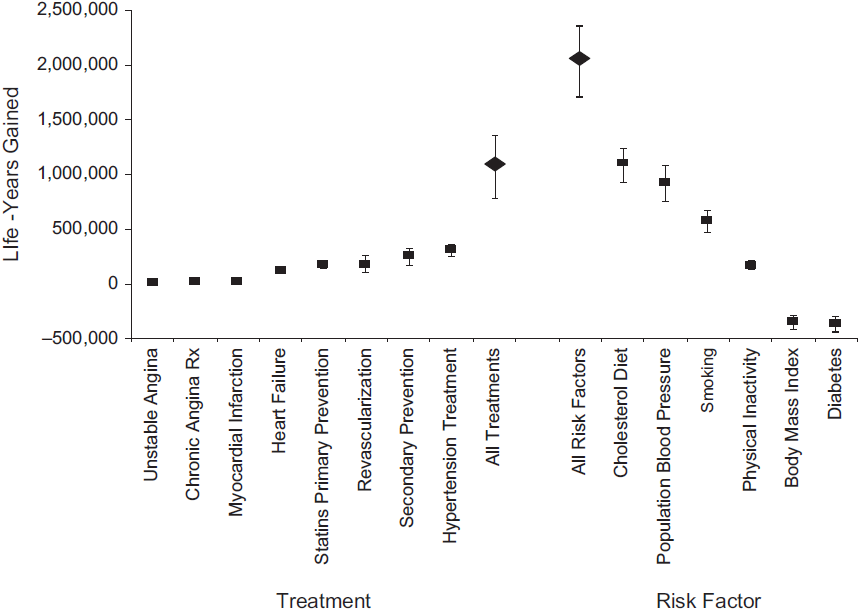
Figure 1. In the United States between 1980 and 2000, changes to serum cholesterol resulting from dietary changes had a greater impact on the decline in coronary heart disease mortality than any other factor, resulting in approximately 1.1 million years of life gained. 

The IMPACT model found that in the United States between the years of 1980 and 2000, a time at which coronary heart disease mortality was reduced by about half, the decline in serum cholesterol, largely due to changes in diet, could explain approximately 24% of this reduction, compared to only about 12% for the decline in smoking prevalence (Fig. 1).7 22 Considering that coronary heart disease has been the leading cause of death in the United States, as well as many other nations for the best part of a century, if anything, a more appropriate title for Minger's book would be "Saved By Food Pyramid".25


Worst Case Scenario for the McGovern Report: Denise Minger


In the chapter Amber Waves of Shame, Denise Minger attempts to explain about the implementation of the Dietary Goals for the United States of 1977, also known as McGovern Report. This report has been considered by many as laying a cornerstone for the forthcoming USDA guidelines. In this chapter, Minger also describes how the egg, meat, milk, salt and sugar industries attempted to hijack the report due to the nature of the recommendations to limit these foods, referencing a video on this topic by Dr. Michael Greger which can be viewed below. It comes as no surprise that Minger cited this video but chose to neglect many of the hundreds of studies cited throughout Dr. Greger's series of videos that cast significant doubt on her own dietary recommendations.


Dr. Michael Greger on the McGovern Report

In an attempt to criticize the science supporting the McGovern Report, Minger focuses on a publication from the American Society for Clinical Nutrition (ASCN) expert committee, published in the American Journal of Clinical Nutrition in 1979, which critically examined the evidence for each of the foods and nutrients that the McGovern Report recommended limiting. Minger states that there was significant disagreement among the ASCN panel regarding the causal association between dietary cholesterol, saturated fat and heart disease. Nevertheless, the panel gave the strength of evidence of a causal association for dietary cholesterol and saturated fat combined a score of 73 out of 100, which was considered “rather high”. Because the score of each of the panelists contributed equally to the overall score, this rather high score suggests that very few of the panelists were in significant disagreement with the diet-heart hypothesis. For dietary cholesterol and saturated fat considered separately, the scores were a little lower, which was suggested to be due to the nature of these two nutrients being highly correlated, making it difficult to determine which contributes more to atherosclerotic heart disease.26 In comparison, virtually all of the panelists considered the evidence linking carbohydrate (ie. sugar) to heart disease as being “extremely weak”, scoring it only 11 out of 100.26 This fact is however largely neglected by Minger despite discussing the potential adverse effects of sugar on heart health in this book.

Minger quotes several selected sentences from the paper on dietary fat and heart disease by ASCN panelist Charles J. Glueck regarding the failure of several diet-heart trials to produce unequivocal supportive evidence, suggesting as if Glueck concluded that there was scant evidence supporting the diet-heart hypothesis. This however was not the case. Glueck actually indicated that while it can be considered that there may not have been unequivocal evidence supporting the diet-heart hypothesis, there was some strong suggestive evidence. In fact, in the paper Minger cites, Glueck described why the failure of the diet-heart trials to produce statistical significant findings does not necessarily negate the hypothesis:27
These failures could have been due to the short duration of the studies, the age of subjects at inception of the studies, or to the inadequacy of the changes in plasma lipids so produced.
In a different paper published in the same issue of the American Journal of Clinical Nutrition, Glueck cited several lines of strong suggestive evidence supporting the diet-heart hypothesis. Notably, Glueck stated:28
Animal studies, particularly in subhuman primates, reveal an unequivocal causal relation between dietary cholesterol or saturated fat, plasma cholesterol levels and development or regression of atherosclerosis
Considering that there is “unequivocal causal” evidence from experiments on nonhuman primates, naturally this would be of considerable concern for humans. If a similar harmful effect would to be shown for a food additive, especially at intakes even lower than that typically consumed in developed nations, there is little doubt that it would be banned almost immediately. Furthermore, in this same paper, without expressing significant disagreement, Glueck quoted the conclusions of a review of the epidemiological evidence by Jerimiah Stamler, one of the expert advisors for the McGovern Report:28
…there is every reason to conclude-based on all seven criterias set forth-that the epidemiologic associations among dietary lipids serum cholesterol and CHD incidence represent etiologically significant relationships. In the multifactorial causation of this disease at least four major factors are operative; diet high in cholesterol and saturated fat, hypercholesterolemia, hypertension and cigarette smoking. However, since the data from both animal and human studies indicate that high blood pressure and cigarette smoking are minimally significant in the absence of the nutritional metabolic prerequisites for atherogenesis, it is further reasonable and sound to designate ‘rich diet’ as a primary, essential, and necessary cause of the current epidemic of premature atherosclerotic disease ranging in the Western industrialized countries.
As has been the case for smoking, there has never been, and never will likely be a definitive trial which tests the diet-heart hypothesis. Indeed, the few smoking cessation trials that have been carried out have failed to produce statistically significant findings for lung cancer mortality. Some of these trails even produced paradoxical findings, including non-significant increased rates of mortality from lung cancer and other cancers in the cessation group.29 30 Similar to the diet-heart trials, there are however plausible explanations as to why these trials failed to demonstrate significant findings for the benefits of smoking cessation. Such explanations include an insufficient duration of study period, and only modest differences in risk factors, points that Glueck noted as limitations of the trails testing the diet-heart hypothesis.29 30 This illustrates why it is critical to consider the totality of evidence, as negative findings from certain lines of evidence, even when normally considered to be at the top of the hierarchy of evidence does not necessarily negate a hypothesis. In other words, the lack of unequivocal evidence should not necessarily prevent federal agencies from recommending lifestyle changes to the public. This point was made clear by Senator George McGovern when he responded to criticism of the report, asserting that:31
I would only argue that Senators don´t have the luxury that a research scientist does of waiting until every last shred of evidence is in.
Minger also attempts to downplay the McGovern Report by taking the statements made by members of the McGovern Committee out of context. For example, Minger focuses on the statements of McGovern Committee member Chris Hitt who believed that even in the worst case scenario, that at the very least "the goals were safe, that there were no risks". Minger then takes this statement out of context to suggest as if the committees opinion of the likely effectiveness of the guidelines had more or less became “at least this probably won’t kill everybody”[p.43]. This statement, which suggests that the guidelines are not only ineffective, but are potentially dangerous, is clearly not what Chris Hitt stated, and is a far stretch from the opinion of committee as a whole.

Although Minger would try to have readers believe that a significant portion of the experts at the time were not in favor of the diet-heart hypothesis, evidence strongly suggests otherwise. As pointed out by Plant Positive in his new series of videos, in December 1976, just before the publication of first edition of the dietary goals, Dr. Kaare R. Norum conducted a survey to confirm how supportive the experts in the field were of the validity of the diet-heart and lipid hypotheses. Out of 211 epidemiologists, nutritionists and geneticists who received the survey, 193 recipients from 23 different countries responded.32 The list of surveyed recipients was considered to have included virtually every prominent researcher in the field from the time.33 As a result of this survey, Norum asserted that:
Almost all agreed that there is a connection between diet and the development of CHD, between diet and plasma lipoprotein levels, and between plasma cholesterol and the development of CHD.
It is clear that Minger is trying to give the reader the false impression that the McGovern Committee, the ASCN expert committee, and a large portion of experts in this field felt that the guidelines of the McGovern Report, particularly the guidelines regarding the restriction of cholesterol and saturated fat were not evidence based by taking selected statements made by a number of these experts out of context. These tactics were perhaps used in order to give the reader the false impression that, even from the beginning, the federal guidelines have never been evidence based, providing momentum for the rest of her book. As can be seen from the table below based on Norum's survey, the impression that Minger attempts to provide the reader of the expert opinion of the time should be considered as misleading.


Failing to Meet Her Own Demands


In Death By Food Pyramid, Denise Minger criticizes the federal dietary guidelines, such as those to restrict dietary cholesterol and saturated fat, not so much due to a lack of high quality suggestive evidence, but due to the lack of unequivocal evidence. At the same time, Minger fails to provide any unequivocal evidence to support her own dietary recommendations, recommendations that she seems to suggest should be adopted into the federal guidelines. Minger also suggests that observational studies help little to determine causation when reviewing studies that cast doubt on her recommendations, yet often cites observational studies as the primary line of evidence to support her own recommendations. The fact that Minger is so demanding of the quality of evidence for those federal dietary guidelines that she disagrees with, while having far looser criteria for evidence supporting her favored hypotheses suggests the likelihood of denialism.

Although there is definitely room for significant improvements in the federal guidelines, Denise Minger’s suggestions for improvements are a step in the wrong direction. It is for this reason that it is not possible to recommend this book to anyone interested in health. In conclusion, it appears that Minger is more interested in promoting shoddy science than those who designed the food pyramid.


More on Death By Food Pyramid

Do Vegetarians Live Longer Than Health Conscious Omnivores?


Please post any comments in the Discussion Thread.