Tampilkan postingan dengan label Plant Positive. Tampilkan semua postingan

Minggu, 09 Februari 2014

Denise Minger: Death By Food Pyramid or Saved By Food Pyramid?


A few years back, Denise Minger instantly rose to fame in the Low-Carb and Paleo diet circles shortly after publishing a blog post criticizing the chapter describing the findings from the China-Cornell-Oxford Project in the book, The China Study, written by Dr. T. Colin Campbell.1 This blog post was very welcomed by proponents of these diets as it provided them with a reference which they used to attempt to use refute much criticism they had been receiving for promoting a diet rich in animal foods.

One reason Minger’s critique likely received much attention, was that unlike other individuals who have attempted to criticize the China Study, rather than making her intention of defending a diet rich in animal foods obvious, Minger attempted to give readers a false impression that if anything she was bias towards a plant-based diet. Minger’s intentions became somewhat apparent when Paleo diet proponent Richard Nikoley posted an e-mail that he received from Minger on his blog.2 The contents of this e-mail made it obvious that Minger had been sending e-mails to proponents of Low-Carb and Paleo diets, suggesting that they cite her blog post as "ammo" to shoot down "vegans" who cite The China Study. The language used by Minger in the e-mail, such as the statement “Of course, they aren't”, in reference to whether animal foods are linked to chronic diseases, suggested the likelihood of confirmation bias in favor of downplaying the harms of animal foods. This raises the question as to whether it was her intention to simply downplay Dr. Campbell’s work, rather than producing an honest review.

As described previously by Plant Positive, and myself, there were a number of serious concerns with Minger’s interpretations of the data from the China Study which further casted doubt on her true intentions. One particular example was Minger's attempt to attribute the association between fat intake, a marker of animal food intake, and an increased risk of breast cancer mortality in the China Study to the consumption of "hormone-injected livestock".3 The fact that the mortality data that Minger examined was from the early to mid-1970s, a time when the use of hormone injections was not exactly widely practiced throughout rural China casts serious doubt on this claim. Furthermore, it is important to consider that the time lag between exposure to a causal agent and when breast cancer becomes life threatening is more than often several decades. For example, the greatest risk of excess death from radiation-related solid cancers, such as breast cancer among the atomic bomb survivors of Hiroshima and Nagasaki was more than half a century after exposure.4 It is therefore likely that most of the dietary related deaths from breast cancer that occurred in the early 1970s would more likely to have been caused by the diets consumed several decades earlier, likely even before hormone injections was used to any meaningful extent in China. This provides further suggestive evidence that Minger was merely trying to downplay the evidence of the harms of animal foods, rather than producing an honest review.

Given Denise Minger’s misleading blog posts, naturally I was more concerned than interested to see what sort of take home message Minger would be attempting to provide readers of her recently published book, Death By Food Pyramid. I have therefore decided to review a number of the key sections of the book to help readers to decide whether to purchase and incorporate the dietary advice in this book.


The IMPACT of the Food Pyramid


The original USDA Food Pyramid from 1992
The title Death By Food Pyramid that Denise Minger and/or publisher chose for this book provides readers with the false impression that Americans (and people in other nations which share similar dietary guidelines) are complying with the federal guidelines, and, as a result more are dying prematurely of dietary related diseases. Evidence strongly casts doubt on such suggestions. For example, despite the tendency for people to over-report the intake of healthy food in food surveys, such surveys have nevertheless found that nearly the entire population of the United States does not adhere to the federal dietary recommendations.5

Although it may be fair to suggest that the federal dietary guidelines can be considered as a lost opportunity to save additional lives, evidence does not suggest that the Food Pyramid promoted a diet that would have increased the risk of dietary related deaths compared to the cholesterol-rich diet consumed by Americans in earlier decades. For example, numerous studies have found that in a number of nations, including the United States, large reductions in serum cholesterol, largely as the result of displacing the proportion of saturated fat in the diet with other sources of energy can explain a significant portion of the decline in coronary heart disease mortality. These large declines generally occurred in order of the nations that were earlier to embrace the lipid hypothesis and reduce the intake of animal fat. For example, this decline began in the late 1960s in the United States, Finland, Australia and New Zealand, but not until a decade later in the United Kingdom which had been distracted by John Yudkin's sugar hypothesis and much slower to embrace the lipid hypothesis.6 In the former communist nations of Eastern Europe, this decline did not occur until the 1990s, following the abolishment of communist subsidies on meat and animal fats after the collapse of the Soviet Union.6 

Although Minger notes this observed decline in mortality in the United States in her book, she suggests that it can more likely be explained by the reduction in smoking prevalence, rather than the displacement of saturated fat with other sources of energy, such as omega-6 polyunsaturated fats and carbohydrate. Minger however failed to provide any data demonstrating what portion of the decline in mortality could be attributed to changes in smoking prevalence and diet/serum lipids. The IMPACT CHD mortality model incorporates among the highest quality data available for risk factors and treatments to help determine how individual risk factors and treatments have contributed to changes in coronary heart disease mortality of a given population. The fact that the prediction of change in coronary heart disease mortality calculated by the IMPACT model has been demonstrated to be largely comparable with the actual change in mortality in nations throughout North America, Northern, Southern, Eastern and Western Europe, South-East Asia, Africa, Australasia and the Middle East provides confidence in the validity of this model.7 8 9 10 11 12 13 14 15 16 17 18 19 20 21

It should be noted that the use of the IMPACT model has made it clear that in those nations which experienced the most dramatic declines in heart disease mortality in the world, such as Finland and the former communist nations of Eastern Europe, large dietary induced declines in serum cholesterol has typically explained a very significant portion of the decline.8 9 10 22 23 The same can be said for the increases in serum cholesterol as the result of an increase in intake of cholesterol and saturated fat, and the surge in heart disease mortality among a number of populations, such as Beijing.17 19 These findings are also supported by earlier studies.6 For example, in 1989 Epstein examined the changes in coronary heart disease mortality in 27 countries during the previous 10 to 25 years, noting that:24
In almost all of the countries with major falls or rises in CHD mortality, there are, respectively, corresponding decreases or increases in animal fat consumption...
Epstein also noted that during this period the prevalence of smoking among women remained largely unchanged or increased in most nations, and that therefore changes in smoking prevalence was unable to explain the large differences in the rate of decline between countries and sexes.24
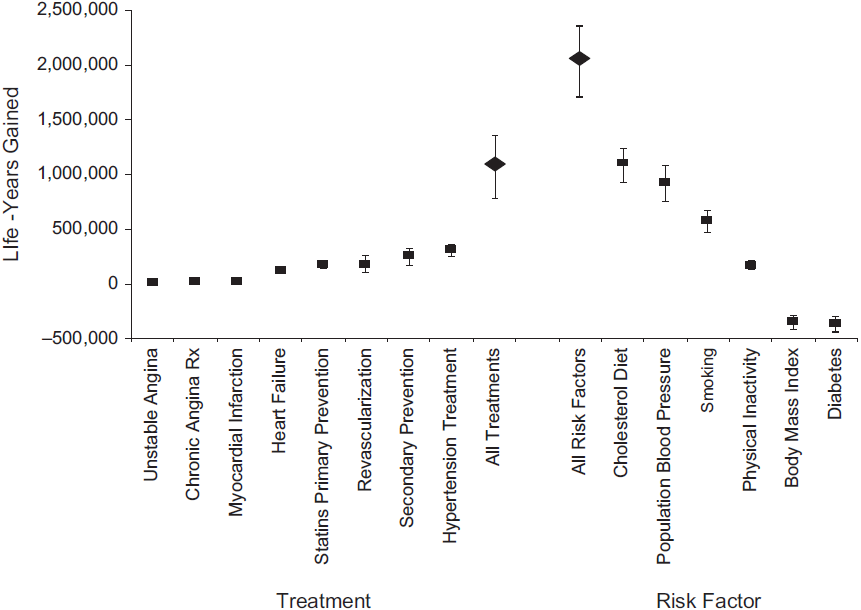
Figure 1. In the United States between 1980 and 2000, changes to serum cholesterol resulting from dietary changes had a greater impact on the decline in coronary heart disease mortality than any other factor, resulting in approximately 1.1 million years of life gained. 

The IMPACT model found that in the United States between the years of 1980 and 2000, a time at which coronary heart disease mortality was reduced by about half, the decline in serum cholesterol, largely due to changes in diet, could explain approximately 24% of this reduction, compared to only about 12% for the decline in smoking prevalence (Fig. 1).7 22 Considering that coronary heart disease has been the leading cause of death in the United States, as well as many other nations for the best part of a century, if anything, a more appropriate title for Minger's book would be "Saved By Food Pyramid".25


Worst Case Scenario for the McGovern Report: Denise Minger


In the chapter Amber Waves of Shame, Denise Minger attempts to explain about the implementation of the Dietary Goals for the United States of 1977, also known as McGovern Report. This report has been considered by many as laying a cornerstone for the forthcoming USDA guidelines. In this chapter, Minger also describes how the egg, meat, milk, salt and sugar industries attempted to hijack the report due to the nature of the recommendations to limit these foods, referencing a video on this topic by Dr. Michael Greger which can be viewed below. It comes as no surprise that Minger cited this video but chose to neglect many of the hundreds of studies cited throughout Dr. Greger's series of videos that cast significant doubt on her own dietary recommendations.


Dr. Michael Greger on the McGovern Report

In an attempt to criticize the science supporting the McGovern Report, Minger focuses on a publication from the American Society for Clinical Nutrition (ASCN) expert committee, published in the American Journal of Clinical Nutrition in 1979, which critically examined the evidence for each of the foods and nutrients that the McGovern Report recommended limiting. Minger states that there was significant disagreement among the ASCN panel regarding the causal association between dietary cholesterol, saturated fat and heart disease. Nevertheless, the panel gave the strength of evidence of a causal association for dietary cholesterol and saturated fat combined a score of 73 out of 100, which was considered “rather high”. Because the score of each of the panelists contributed equally to the overall score, this rather high score suggests that very few of the panelists were in significant disagreement with the diet-heart hypothesis. For dietary cholesterol and saturated fat considered separately, the scores were a little lower, which was suggested to be due to the nature of these two nutrients being highly correlated, making it difficult to determine which contributes more to atherosclerotic heart disease.26 In comparison, virtually all of the panelists considered the evidence linking carbohydrate (ie. sugar) to heart disease as being “extremely weak”, scoring it only 11 out of 100.26 This fact is however largely neglected by Minger despite discussing the potential adverse effects of sugar on heart health in this book.

Minger quotes several selected sentences from the paper on dietary fat and heart disease by ASCN panelist Charles J. Glueck regarding the failure of several diet-heart trials to produce unequivocal supportive evidence, suggesting as if Glueck concluded that there was scant evidence supporting the diet-heart hypothesis. This however was not the case. Glueck actually indicated that while it can be considered that there may not have been unequivocal evidence supporting the diet-heart hypothesis, there was some strong suggestive evidence. In fact, in the paper Minger cites, Glueck described why the failure of the diet-heart trials to produce statistical significant findings does not necessarily negate the hypothesis:27
These failures could have been due to the short duration of the studies, the age of subjects at inception of the studies, or to the inadequacy of the changes in plasma lipids so produced.
In a different paper published in the same issue of the American Journal of Clinical Nutrition, Glueck cited several lines of strong suggestive evidence supporting the diet-heart hypothesis. Notably, Glueck stated:28
Animal studies, particularly in subhuman primates, reveal an unequivocal causal relation between dietary cholesterol or saturated fat, plasma cholesterol levels and development or regression of atherosclerosis
Considering that there is “unequivocal causal” evidence from experiments on nonhuman primates, naturally this would be of considerable concern for humans. If a similar harmful effect would to be shown for a food additive, especially at intakes even lower than that typically consumed in developed nations, there is little doubt that it would be banned almost immediately. Furthermore, in this same paper, without expressing significant disagreement, Glueck quoted the conclusions of a review of the epidemiological evidence by Jerimiah Stamler, one of the expert advisors for the McGovern Report:28
…there is every reason to conclude-based on all seven criterias set forth-that the epidemiologic associations among dietary lipids serum cholesterol and CHD incidence represent etiologically significant relationships. In the multifactorial causation of this disease at least four major factors are operative; diet high in cholesterol and saturated fat, hypercholesterolemia, hypertension and cigarette smoking. However, since the data from both animal and human studies indicate that high blood pressure and cigarette smoking are minimally significant in the absence of the nutritional metabolic prerequisites for atherogenesis, it is further reasonable and sound to designate ‘rich diet’ as a primary, essential, and necessary cause of the current epidemic of premature atherosclerotic disease ranging in the Western industrialized countries.
As has been the case for smoking, there has never been, and never will likely be a definitive trial which tests the diet-heart hypothesis. Indeed, the few smoking cessation trials that have been carried out have failed to produce statistically significant findings for lung cancer mortality. Some of these trails even produced paradoxical findings, including non-significant increased rates of mortality from lung cancer and other cancers in the cessation group.29 30 Similar to the diet-heart trials, there are however plausible explanations as to why these trials failed to demonstrate significant findings for the benefits of smoking cessation. Such explanations include an insufficient duration of study period, and only modest differences in risk factors, points that Glueck noted as limitations of the trails testing the diet-heart hypothesis.29 30 This illustrates why it is critical to consider the totality of evidence, as negative findings from certain lines of evidence, even when normally considered to be at the top of the hierarchy of evidence does not necessarily negate a hypothesis. In other words, the lack of unequivocal evidence should not necessarily prevent federal agencies from recommending lifestyle changes to the public. This point was made clear by Senator George McGovern when he responded to criticism of the report, asserting that:31
I would only argue that Senators don´t have the luxury that a research scientist does of waiting until every last shred of evidence is in.
Minger also attempts to downplay the McGovern Report by taking the statements made by members of the McGovern Committee out of context. For example, Minger focuses on the statements of McGovern Committee member Chris Hitt who believed that even in the worst case scenario, that at the very least "the goals were safe, that there were no risks". Minger then takes this statement out of context to suggest as if the committees opinion of the likely effectiveness of the guidelines had more or less became “at least this probably won’t kill everybody”[p.43]. This statement, which suggests that the guidelines are not only ineffective, but are potentially dangerous, is clearly not what Chris Hitt stated, and is a far stretch from the opinion of committee as a whole.

Although Minger would try to have readers believe that a significant portion of the experts at the time were not in favor of the diet-heart hypothesis, evidence strongly suggests otherwise. As pointed out by Plant Positive in his new series of videos, in December 1976, just before the publication of first edition of the dietary goals, Dr. Kaare R. Norum conducted a survey to confirm how supportive the experts in the field were of the validity of the diet-heart and lipid hypotheses. Out of 211 epidemiologists, nutritionists and geneticists who received the survey, 193 recipients from 23 different countries responded.32 The list of surveyed recipients was considered to have included virtually every prominent researcher in the field from the time.33 As a result of this survey, Norum asserted that:
Almost all agreed that there is a connection between diet and the development of CHD, between diet and plasma lipoprotein levels, and between plasma cholesterol and the development of CHD.
It is clear that Minger is trying to give the reader the false impression that the McGovern Committee, the ASCN expert committee, and a large portion of experts in this field felt that the guidelines of the McGovern Report, particularly the guidelines regarding the restriction of cholesterol and saturated fat were not evidence based by taking selected statements made by a number of these experts out of context. These tactics were perhaps used in order to give the reader the false impression that, even from the beginning, the federal guidelines have never been evidence based, providing momentum for the rest of her book. As can be seen from the table below based on Norum's survey, the impression that Minger attempts to provide the reader of the expert opinion of the time should be considered as misleading.


Failing to Meet Her Own Demands


In Death By Food Pyramid, Denise Minger criticizes the federal dietary guidelines, such as those to restrict dietary cholesterol and saturated fat, not so much due to a lack of high quality suggestive evidence, but due to the lack of unequivocal evidence. At the same time, Minger fails to provide any unequivocal evidence to support her own dietary recommendations, recommendations that she seems to suggest should be adopted into the federal guidelines. Minger also suggests that observational studies help little to determine causation when reviewing studies that cast doubt on her recommendations, yet often cites observational studies as the primary line of evidence to support her own recommendations. The fact that Minger is so demanding of the quality of evidence for those federal dietary guidelines that she disagrees with, while having far looser criteria for evidence supporting her favored hypotheses suggests the likelihood of denialism.

Although there is definitely room for significant improvements in the federal guidelines, Denise Minger’s suggestions for improvements are a step in the wrong direction. It is for this reason that it is not possible to recommend this book to anyone interested in health. In conclusion, it appears that Minger is more interested in promoting shoddy science than those who designed the food pyramid.


More on Death By Food Pyramid

Do Vegetarians Live Longer Than Health Conscious Omnivores?


Please post any comments in the Discussion Thread.

Minggu, 07 April 2013

Cracking Down on Eggs and Cholesterol

Since the breakthrough led by Nikolai Anichkov a century ago, the feeding of cholesterol, and to an extent, dietary fat have been recognized as the sine qua nons for the dietary modification of experimental atherosclerosis, and have been used in thousands of experiments to successfully accelerate the development of atherosclerosis in mammalian, avian and fish species, not only of herbivorous, but also omnivorous and carnivorous nature.1 2 3 4 5 6 7 8 9 10 11 This includes the promotion of experimental atherosclerosis in over one dozen different species of nonhuman primates- New World monkeys, Old World monkeys, and great apes including the closest living relative to humans, the chimpanzee (Fig. 1).2 3 12 13 14 15 16 17 18 19 20 21 The atherosclerotic lesions induced by cholesterol feeding, including in the form of fresh eggs yolks in many opportunistic omnivores, such as various species of nonhuman primates, birds and pigs have been shown to closely resemble the disease in humans.1 2 3 4 22 23 24

Figure 1. Aortic atherosclerosis of a chimpanzee which died of a heart attack after long-term feeding of a diet rich in cholesterol and artery-clogging saturated fat

It has also been observed that the long-term feeding of cholesterol and saturated fat has resulted in heart attacks, sudden death, development of gangrene, softening on the bones and numerous other serious complications in nonhuman primates.2 3 25 26 27 28 For example, it has been shown that when diets rich in cholesterol and saturated fat are fed to monkeys of the genus Macaca, including the rhesus monkey and the crab-eating macaque, they experience heart attacks at approximately the same rate as high-risk populations living in developed nations.3

In species that are unlike humans, very resistant to dietary induced elevations in LDL cholesterol, such as the order of the carnivora, unless LDL-receptor deficient breeds are used atherosclerosis is typically induced by raising serum (blood) cholesterol with a diet with very large amounts of dietary cholesterol, and either containing thiouracil or deficient in essential fatty acids.9 10 29 As noted by Steinberg:30
The point is very clearly made: the arteries of virtually every animal species are susceptible to this disease if only the blood cholesterol level can be raised enough and maintained high enough a long enough period of time.
Long-term feeding of cholesterol in relatively small amounts has actually been shown to induce atherosclerosis in rabbits, chickens, pigeons and monkeys despite only small or insignificant increases in serum cholesterol.1 4 13 Armstrong and colleagues conducted an experiment ‘designed to demonstrate a null point of the effect of dietary cholesterol on the arterial intima’, by comparing a group of rhesus monkeys fed a cholesterol-free diet with a group fed cholesterol equivalent to that found in only half of a small egg in the average human diet of 2,000 calories per day (43µg/kcal). However, even when fed in very small amounts dietary cholesterol still had a significant adverse effect on these monkeys arteries after a period of only 18 months (Fig. 2).13 Armstrong and colleagues concluded:
No null point for the effect of dietary cholesterol on arterial intima was found even at an intake level far below that conventionally used for the induction of experimental atherosclerosis in the nonhuman primate. The intimal changes found in response to very low cholesterol intake imply that subtle qualitative alterations in lipoproteins are of critical importance to our understanding of lesion induction.

Figure 2. Subclavian artery from a rhesus monkey fed very small amounts of dietary cholesterol (43µg/kcal). Sudanophilia (black area) is intense in the area of major intimal thickening

It has also been demonstrated that the cessation of a cholesterol-rich diet and the subsequent lowering of serum cholesterol results in the regression of atherosclerosis in various mammalian and avian species, including herbivores, omnivores, carnivores and nonhuman primates.31 In one experiment Armstrong and colleagues induced severe atherosclerosis in rhesus monkeys by feeding a diet with 40% of calories from egg yolks for 17 months. The egg yolks were then removed from the monkeys diet and replaced with a cholesterol-free diet with either 40% of calories from corn oil or low-fat chow with 77% calories from sugar for three years, resulting in a reduction of serum cholesterol to <140 mg/dl and a marked regression of atherosclerosis.32 33

In a recently published study, Spence and colleagues observed that egg yolk consumption was associated with carotid plaque in high-risk patients.34 These findings should not come as a surprise considering the evidence accumulated from thousands of animal experiments over the last 100 years, which have demonstrated that the feeding of cholesterol and saturated fat accelerates the development of atherosclerosis in virtually every vertebrate that has been sufficiently challenged. These lines of evidence have been neglected by the egg industry and promoters of cholesterol laden diets (ie. Paleo, Primal and low-carb) who have attempted to discredit this study without considering the relevant evidence. As noted by Stamler:35
To neglect this fact in a review about humans is to imply that the Darwinian foundation of biomedical research is invalid and/or that there is a body of substantial contrary evidence in humans. Neither is the case. 
These findings from Spence and colleagues are not only supported by the findings from animal experiments, but also by numerous previous human studies that found a positive association between dietary cholesterol and the severity of atherosclerosis.36 37 38 39

In the video below Dr. Michael Greger addresses the completely unethical measures that the egg industry resorted to in order to confuse the general public about these findings from Spence and colleagues, including attempts to bribe researchers.

Eggs vs. Cigarettes in Atherosclerosis

In the video below Plant Positive addresses various critiques of Spence and colleagues findings, as well as other relevant research on dietary cholesterol.

Cholesterol Confusion 6 Dietary Cholesterol (And the Magic Egg)


Eggs, Cholesterol and Xanthomatosis


In addition to developing atherosclerosis and gangrene, the feeding of egg yolks and cholesterol to various species of nonhuman primates has also resulted in the development of xanthomatosis, a condition where deposits of cholesterol develop underneath the skin and is associated with chronically elevated serum cholesterol.18 40 41 42 43 This condition has been shown to be cured in nonhuman primates upon the cessation of a cholesterol-rich diet.41 A case report found that a 30-year-old woman with a healthy body weight who had been following a carbohydrate restricted diet for three and a half years had developed xanthomas on her hands and a chronically elevated serum cholesterol level of 940 mg/dl.44 The composition of the woman’s diet was reported as follows:
Each day she had consumed eight to 12 eggs, one or two lean steaks or half a small chicken and, half to one litre of milk. Sometimes some cottage cheese or tomatoes enriched the menu and, on rare occasions, fruit. She completely avoided butter, bread, potatoes, rice, noodles, alcohol, or any other food or beverage containing carbohydrate. The daily cholesterol intake, which was mainly derived from the egg yolks, was about 3500 mg. The total calorie intake was about 8-4 MJ (2000 kcal) (35 % protein, 55 % fat, and 10 % carbohydrates, polyunsaturated fat:saturated fat (P:S) ratio=0 26).
The woman was advised to change her diet, and in particular to stop eating eggs. After 16 days her serum cholesterol dropped to 750 mg/dl, and after several years dropped to 188 mg/dl and the lipid deposits on her skin had cleared up. This woman’s diet induced xanthomas and chronically elevated cholesterol resemble the characteristics of people with homozygous familial hypercholesteromia, a rare genetic disorder that results in chronically elevated concentrations of predominantly large LDL cholesterol particles.45 People with this disorder are short lived and often experience heart attacks during childhood.46 Such unfavorable risk factors would normally be of great concern to any responsible physician. However, despite the overwhelming evidence of the danger of elevated serum total and LDL cholesterol,30 47 48 including for women,49 50 Sally Fallon and Mary Enig, the founders of the Weston A. Price Foundation claim that ‘For women, there is no greater risk for heart disease, even at levels as high as 1000 mg/d’.51 It is clear that this organization has little concern for the wellbeing of people.


Eggs, Cholesterol and Serum Lipids


It has been well established in rigorously controlled feeding experiments that adding dietary cholesterol to a diet that is low in cholesterol can significantly raise serum cholesterol in humans.52 An addition of 200 mg cholesterol per day to a cholesterol-free diet has been shown to raise serum cholesterol by as much as 20%.53 This may be largely explained by the strong evidence that dietary cholesterol down-regulates the LDL receptor.54 However, as Hopkins addressed in a meta-analysis of rigorously controlled feeding experiments, there exists a ceiling effect at which adding additional dietary cholesterol to a diet already rich in cholesterol has little appreciable effect on serum cholesterol (Fig. 3). Therefore, the fact that numerous studies carried out on populations with a relatively high baseline cholesterol intake failed to find a significant association between cholesterol intake and serum cholesterol does not negate the evidence that lowering intake to near zero will significantly lower serum cholesterol.

Figure 3. Effects of added dietary cholesterol on serum total cholesterol at different baseline levels of intake

Several controlled experiments have found that overweight compared to lean people, and insulin resistant compared to insulin sensitive people are less responsive to dietary cholesterol.55 56 This likely explains why researchers who have financial or personal connections with the egg industry have specifically selected overweight and insulin resistant participants with a modestly high baseline dietary cholesterol intake for controlled trials, as it can be pre-empted that this subgroup of the population will show little response when egg intake is increased.

It has been demonstrated in multiple meta-analyses of rigorously controlled feeding experiments that dietary cholesterol, including that from eggs yolks does have a modest adverse effect on the LDL:HDL cholesterol ratio.57 58 Furthermore, unlike for LDL cholesterol, there is limited causal evidence that simply raising HDL will lower the risk of coronary heart disease. For example, a meta-analysis of 108 randomized controlled trials found that while lowering LDL cholesterol significantly decreased the risk of coronary heart disease and all-cause mortality, modifying HDL had little appreciable effect after controlling for LDL cholesterol.47 In addition, a recent meta-analysis of mendelian randomization studies found that while genetically modified LDL significantly influenced the risk of coronary heart disease, genetically modified HDL had little appreciable influence.59 This evidence together with the evidence that dietary cholesterol adversely influences both concentrations of LDL as well as the LDL:HDL ratio, especially in healthy people reinforces the recommendations to limit egg and cholesterol intake.

Another contributor to confusion caused by studies typically influenced by the egg industry is the suggestion that dietary cholesterol does not increase the number of LDL particles, or only increases the concentration of large LDL particles, which is considered by some to be less atherogenic. However, as elaborated by Plant Positive, several studies not influenced by the egg industry have found that cholesterol intake does increase the total number of LDL particles in healthy people.60 61 In addition, a systematic review found that higher LDL particle number, but not other LDL subfractions was consistently associated with an increased risk for cardiovascular disease, independent of other lipid measurements.62 The National Lipid Association Expert Panel recently concluded that ‘All lipoprotein particles in the LDL fraction are atherogenic, independent of size’, and was unable to identify any patient subgroups in which LDL subfraction measurements are recommended. In specific, the panel provided the following evidence for these conclusions:63
Studies have linked large LDL particles to atherosclerosis in nonhuman primates, in patients with familial hypercholesterolemia (who have an elevated concentration of predominantly large LDL particles), in participants of the population-based MESA study, in normolipidemic men with CHD, and among patients after MI [heart attack] in the Cholesterol And Recurrent Events (CARE) study... Many studies document links between small dense LDL particles and atherosclerotic CVD. However, these statistical associations between small, dense LDL and CV [cardiovascular] outcomes are either significantly attenuated or abolished when the analyses are adjusted for the overall number of circulating LDL particles (LDL-P) either by adjustment for Apo B levels or by adjustment for nuclear magnetic resonance-derived LDL-P... To date, there is no evidence that the shift in LDL subfractions directly translates into change in disease progression or improved outcome.
More recently a meta-analysis of mendelian randomization studies with over 312,000 individuals found that inheriting any of nine studied genetic variants that modify lifelong LDL cholesterol concentrations, but not any other known risk factors predicted a 55% lower risk of coronary heart disease for each mmol/l (38.7 mg/dl) lower LDL cholesterol.48 Despite having significantly different effects on LDL particle sizes, all of the nine studied genetic variants predicted essentially the same decrease in coronary heart disease per unit lower LDL cholesterol, including the gene responsible for familial hypercholesterolemia which elevates predominantly large LDL particles.45 Therefore there is convincing evidence that large LDL particles promote atherosclerosis.

The elevation of LDL cholesterol is not the only adverse effect that increased intake of eggs and cholesterol confers. As Spence and colleagues also pointed out in regards to recent controversy surrounding dietary cholesterol:40 64
Focusing on fasting serum cholesterol levels misses the bulk of the problem. Even though serum cholesterol rises very little after a meal, dietary cholesterol increases the susceptibility of LDL-C to oxidation, vascular inflammation, oxidative stress, and postprandial hyperlipemia and potentiates the harmful effects of saturated fat, impairs endothelial function, and increases cardiovascular events.

Classical Observations


Multiple international studies based on data from the World Health Organization have found the mean per capita dietary cholesterol levels are consistently associated with the rates of coronary heart disease mortality.39 65 This includes a large study of 40 countries.66 Similarly, it was found in the 25 year follow-up of the Seven Countries Study that dietary cholesterol was associated with a significantly increased risk of coronary heart disease across the 16 cohorts.67

In a review of the literature, Uffe Ravnskov, the spokesperson for The International Network of Cholesterol Skeptics reviewed 15 of the earliest prospective (longitudinal) cohort studies and inappropriately concluded that ‘Overall, longitudinal studies within population have found no difference between the diet of coronary patients and others’.68 Fourteen of these studies measured cholesterol intake, of which for the Chicago Western Electric Study Ravnskov inappropriately cited data from an earlier follow-up that found no association rather than the longer follow-up which found a significant association. Among the remaining thirteen studies, the participants who developed coronary heart disease actually had on average 13 mg/day greater intake of cholesterol for someone consuming on average 2,000 calories a day.

Considering the probable degree of measurement error dietary intake and the fact that these studies were carried out in largely homogenous populations where most people had similar diets, only relatively small differences in dietary composition would have been expected between participants with and without heart disease even if diet does play a major role in heart disease [reviewed previously]. Furthermore, Ravnskov failed to mention that four of the largest studies that he cited, including the Chicago Western Electric Study found on average that 200 mg/1,000 calories higher intake of cholesterol was associated with a 30% increased risk of coronary heart disease over and above the adverse effects it has on serum cholesterol.64

The next post in this series will focus on findings from more recent prospective cohort studies that addressed the intake eggs and cholesterol and the risk of coronary heart disease, diabetes, heart failure, cardiovascular disease and all-cause mortality. Many of these important findings have gone unaddressed in recent reviews of the literature.


Diet-Heart Posts


Please post any comments in the Discussion Thread.

Kamis, 31 Januari 2013

Diet-Heart: Saturated Fat and Blood Cholesterol

Several hundred metabolic ward experiments have established beyond plausible doubt that isocaloric substitution of saturated fat for carbohydrate, polyunsaturated fat and monounsaturated fat raises serum (blood) LDL and total cholesterol (Fig. 1).1 Many of these experiments were carried out in locked facilities where the participants mode of life, energy balance and body weight were maintained, with the focus purely on isocaloric exchange of fat for starch or one kind of fat for another.2 This is one of the main pillars that the diet-heart hypothesis was built on.

Figure 1. Serum total cholesterol and dietary saturated fat in 395 solid food dietary and 32 liquid formula dietary experiments, by different experimental design

In Part I of this review, I addressed a misleading meta-analysis of prospective cohort studies examining the association between saturated fat intake and the risk of cardiovascular disease authored by Siri-Tarino et al. and Stephan Guyenet’s interpretation of this meta-analysis. In this part of the review I will address the evidence regarding the influence that saturated fat has on serum LDL and total cholesterol in humans and some of the primary arguments against the evidence that saturated fat raises serum cholesterol that Guyenet presented in a review of the literature that I previously commented on.3

One of the primary arguments against the evidence that saturated fat raises serum cholesterol that Guyenet presented is in regards to the duration of most of the metabolic ward experiments that are cited in the literature. For example, Guyenet stated: 
When references are provided, they nearly always point to the same type of study: short-term controlled diet trials, in which volunteers are fed different fats for 2-13 weeks and their blood cholesterol measured 
Guyenet’s statement is misleading as he appears to be emphasizing that there is a lack of long term controlled trials with findings that conform to the expectations from shorter term metabolic ward experiments. There have actually been a number of randomized controlled dietary trials with a duration of between one year and up to and beyond eight years that have demonstrated a significant decrease in serum LDL and total cholesterol, independent of weight loss when saturated fat was replaced with either carbohydrates or unsaturated fats. Examples include the National Diet-Heart Study and the Veterans Admin study, among many other trials included in a recent Cochrane review.4 It would be incorrect to suggest that detailed reviews neglect these long-term trials, although researchers may be more inclined to cite shorter-term metabolic ward experiments because of their more rigorous design. 

In the great majority of the metabolic ward experiments practically all of the serum cholesterol response to a change in dietary fat was completed within two to three weeks, and any further fluctuations in serum cholesterol can mainly be explained by intra- and interindividual variation, seasonal trends or laboratory error.2 Furthermore, in long term controlled trials the observed changes in serum LDL and total cholesterol and saturated fat intake actually conform to the expectations from the metabolic wards experiments that Guyenet attempts to downplay.5 6 This explains the universal agreement that intake of saturated fat (lauric, myristic and palmitic acids in specific) raises serum LDL and total cholesterol. 

Another one of the primary arguments against the evidence that saturated fat raises serum cholesterol that Guyenet presented is in regards to the null findings from certain observational studies. For example, Guyenet stated: 
…why do researchers almost never cite observational studies to support the idea that dietary saturated fat increases blood cholesterol? … One reason may be that in most instances, when researchers have looked for a relationship between habitual saturated fat intake and blood cholesterol, it has been very small or nonexistent.
There are actually several different types of observational studies that have studied the influence that saturated fat has on serum cholesterol. For example, secular trends have demonstrated a clear association between changes in saturated fat intake and changes in serum cholesterol within nations all-throughout the world, independent of other factors [reviewed previously]. 

The observational studies that Guyenet described in his review of the literature used cross-sectional methodology in which saturated fat intake and serum cholesterol are typically only measured at one specific point in time, and not repeatedly over a prolonged period over time. Guyenet’s suggestion that these studies that he cited examined ‘habitual saturated fat intake’ is unfounded and provides very scant evidence to suggest as he did that the findings from short term metabolic ward studies cannot be extrapolated to the long term. As Guyenet should already be aware, the shortcomings of the methodology used in the cross-sectional studies he cites was thoroughly addressed several decades ago and should no longer be considered controversial.7 8 9 10 11 A number of these shortcomings will be addressed here as Guyenet has conveniently failed to address them.


The Problem of Interindividual Variability


One of the greatest shortcoming of cross-sectional studies which has contributed towards unnecessary confusion has been caused by the lack of consideration  of the interindividual (between-individual) variability of serum lipids in response to diet. Steinburg has described how this shortcoming can obscure the findings in cross-sectional studies:12 
One explanation is that the variability from person to person in terms of response to dietary factors is so great that it dilutes out the correlation, as in one of Ahrens’ metabolic ward protocols, almost all would show the same qualitative responses but to different degrees... [Jacobs et al.] pointed out the large variability encountered from individual to individual in responses to changes in dietary fat. Jacobs et al. used a mathematical model to show that a zero correlation is what you would actually expect. They also applied their model to a set of experimental data and showed that, again, a zero correlation might be expected. In short, a zero correlation in a population study does not necessarily negate the possible role of dietary fat in helping to determine plasma cholesterol levels in individuals.
Table 1 provides a good example of the significant between-individual variability of serum lipids in response to diet in reference to the National Diet-Heart Study.12 

Table 1. Percentage of subjects with indicated percentage drop in serum cholesterol in the National Diet-Heart Study

This shows that even if the investigators know the exact composition of a person’s diet they will not be able to predict their level of serum cholesterol, but will be able to predict whether that person’s serum cholesterol will go up or down if that person modifies their dietary intake. As the association between diet and coronary heart disease in part relies upon serum lipids, this suggests that the between-individual variability of serum lipids in response to diet would likely have obscured the findings from the prospective cohort studies addressed in Part I of this review.8 


The Problem of Dietary Modification


Another important shortcoming of cross-sectional studies that can obscure the association between diet and serum cholesterol in observational studies can be caused by the participants decreasing their intake of saturated fat in response to unfavorable serum lipid concentrations. This has actually been shown to bias the cross-sectional association between saturated fat and serum cholesterol towards a negative association. This problem was addressed by Shekelle et al. in a paper from the Chicago Western Electric Company study:9
In the Chicago Western Electric Company study, diet was assessed at the initial examination, in 1957-1958, of 1900 middle-aged men and again at their second examination about one year later. At the first examination, lipid composition of the diet, as summarized by a score based on the formula of Keys, Anderson and Grande, was positively associated with level of serum cholesterol. Between the first and second examinations, however, hypercholesterolemic men were more likely than others to have reduced intake of dietary saturated fatty acids and cholesterol. As a result, at the second examination the cross-sectional linear association between the diet score and serum cholesterol concentration was significantly positive for men with initial levels of serum cholesterol less than 250 mg/dl, significantly negative for men with initial levels of 250 mg/dl or higher and not significantly different from zero for all men together.
Guyenet failed to mention this limitation despite referring to the Chicago Western Electric Company study in his review. Guyenet claimed that although this study found a positive association between saturated fat and serum cholesterol, there was no association with heart attack deaths. Guyenet failed to mention that the lack of a significant association with heart attack deaths may be explained at least in part by the fact that the researchers actually adjusted for serum cholesterol, and because the participants with elevated serum cholesterol were likely to have reduced their saturated fat intake. This study nevertheless found that saturated fat was associated with an 11% non-significant increased risk, and dietary cholesterol and the Keys score with a statistically significant increased risk of  fatal coronary heart disease.13 Furthermore, this study also found that dietary cholesterol was associated with a statistically significant increased risk of all-cause mortality, a finding consistent with several other studies including the Nurses’ Health Study.14 15 16

The purpose of the paper from the Health Professionals Follow-up Study that Guyenet cited was to address the influence of saturated fat intake on the risk of coronary heart disease, not on serum cholesterol. The researchers were aware that the health professionals, of which most had previously measured their serum cholesterol may have made dietary modifications if they were previously aware of having elevated cholesterol, and therefore excluded any participants with a baseline history of elevated cholesterol.17 The fact that electric company employees modified their diet in response to unfavorable serum lipids in the 1950’s strongly suggests that health professionals in the 1980’s would also have made dietary modifications, thus explaining the unexpected distribution of saturated fat intake of participants with baseline history of elevated serum cholesterol in this study.


The Problem of Intraindividual Variability


Another important shortcoming of cross-sectional studies that can obscure the association between diet and serum cholesterol is caused by intraindividual (within-individual) variability of serum lipids and dietary intake. Hegsted and Nicolosi showed that the spontaneous within-individual variability of serum cholesterol even when consuming a constant diet is relatively large, typically varying by 5 to 10%.11 It has been estimated that three samples of blood are required in order estimate the true serum cholesterol of an individual, assuming that standardized methods are being used. Even just sitting from a standing position has been shown to decrease serum cholesterol concentrations by 6%.18

Balogh et al. concluded that in order to estimate within 20% of the actual dietary intake of 90% of a studied population, there is a requirement of at least 22 days of 24-hour dietary recalls for saturated fat.19 Inaccurately measuring within-individual variability in dietary intake has been shown to lead to a miss-classification of subjects into ranges of usual dietary intakes, biasing correlation coefficients towards null.20 Liu et al. showed that just a single measure of a dietary variable and a single measure of serum cholesterol as was done in the Tecumseh Study reduces the correlation coefficient by 50%, and is therefore almost meaningless.7 It should be noted that almost half of the cross-sectional studies that Guyenet cited used only a single 24-hour recall to assess dietary intake, including the Tecumseh Study as well as the Evans Country study, the Bogalusa Heart Study, and the Japan-Honolulu-San Francisco study.20 21

Jacobs et al. demonstrated the problem of intraindividual variability on a graph (Fig. 2), showing how the predicted association between diet and serum cholesterol becomes obscured by the introduction of typical variations in serum cholesterol and diet.8

Figure 2. A: The open circles represent the relationship that exists in five typical individuals between diet score and predicted serum cholesterol. Vertical arrows represent random variations in serum cholesterol and horizontal arrows random variations in diet scores. B: The open circles demonstrate how the perfect correlation in A is completely obscured by the introduction of typical sources of intraindividual variability.

Excluding the Health Professional Follow-up Study, in the two cross-sectional studies that Guyenet cited with the largest number of participants, the Israel Ischemic Heart Disease Project (n=8829) and the Japan-Honolulu-San Francisco study (n=9844), when the researchers considered the participants as groups rather than as individuals in order to minimize intraindividual variability from obscuring the results, saturated fat was highly significantly and positively associated with serum cholesterol.22 23 Similar results were also found in the Seven Countries Study (n=12,700).18 The findings from these studies actually conform closely to the expectations from the metabolic ward experiments that Guyenet attempts to downplay.

It should be noted that each of these studies alone studied a significantly larger number of participants than all of the remaining cross-sectional studies cited by Guyenet combined. Of these remaining studies the Chicago Western Electric study which made up approximately half of the sample size (n=1900) also found a statistically significant association. Furthermore, Guyenet failed to cite at least half a dozen other cross-sectional studies that studied between 650 and 23,000 participants that found a significant association between saturated fat and serum cholesterol.18 24 25 Guyenet has since updated his post to note that he was made aware of a number of studies that he missed but nevertheless claimed that they are largely consistent with his conclusions.

In the review, Guyenet made several misleading statements in regards to the data from the Framingham study: 
One of the longest-running, most comprehensive and most highly cited observational studies, the Framingham study was organized by Harvard investigators and continues to this day. When investigators analyzed the relationship between saturated fat intake, serum cholesterol and heart attack risk, they were so disappointed that they never formally published the results. We know from multiple sources that they found no significant relationship between saturated fat intake and blood cholesterol or heart attack risk
Guyenet cited a 1976 paper from the Tecumseh study as a reference for his findings from the Framingham study, but failed to mention that the Framingham study has produced many formal publications since this paper was published. In 1992 Posner et al. published a paper from the Framingham study addressing the association between saturated fat and heart attack risk, however this study used a single 24-hour food recall and therefore is of limited value. In this study the younger but not older cohort saturated fat was associated with a marginally significant increased risk of coronary heart disease.26

The findings described in the paper from the Tecumseh study of the failure to find a significant association between diet and serum cholesterol in the Framingham study may have addressed an early publication of Framingham which excluded participants with very high or low serum cholesterol concentrations which could have been influenced by diet. A reanalysis of all of the men’s data in 1992 resulted in a larger sample size and range of serum cholesterol concentrations found a significant association between dietary cholesterol and total fat intake and serum cholesterol.18 However, the more recent analysis of women from the Framingham study produced contrasting findings for dietary cholesterol, which resulted in much confusion that has been provoked by the likes of Atkins and Sugar Busters. Dr. William Castelli, a former director of the Framingham Heart Study responded to this misuse of the Framingham study data:27
The data are diet history data. Very weak science!!!... Better science, where I lock you up in a metabolic ward has taught us that lowering the saturated fat, the cholesterol in the diet lowers cholesterol.
The Framingham study is well respected in part for enhancing the medical communities knowledge of risk factors for coronary heart disease including the Framingham Risk Score, not for the use of high quality dietary assessment methods. As suggested by Castelli, the dietary data from the Framingham study should not be misused as Guyenet has done in order to attempt to downplay the findings from metabolic ward experiments.

In response to my comments regarding the concerns about the quality of dietary assessment methods used in the cross-sectional studies that Guyenet cited in his review, he replied stating: 
You like good measurement methods, so let's focus on the two studies that did 7-day weighed food records, the Bankers study and the Caerphilly study. The first found no association between animal fat intake and serum cholesterol across a several-fold variation in intake. The second found a significant but extremely weak association between SFA intake and serum cholesterol. "The percentage of variance in the plasma lipid concentrations which could be explained solely by the dietary variables was very small, ranging from 1 to 7 per cent". That sounds quite consistent with the conclusions of my post.
As already explained, a near null finding is what the expected result would be in these cross-sectional studies regardless of the quality of the dietary and lipid assessment methods used due to the problem of between-individual variability. However, a significant limitation of the British bank men study (n=99), the smaller of the two studies Guyenet refers to was that there was a prolonged time period between the dietary survey and the blood sample in a portion of the studied men. In Table 2 the first column shows the data on all the men in the survey, and column two shows the data only on those men whose blood samples were taken either during or within one day of completing the dietary survey.7 

Table 2. Serum cholesterol and dietary factors in all men compared to men whose cholesterol was measured close to the dietary survey in the British bank men study


It is clear that the correlation between animal fat and serum cholesterol was a lot stronger in those men whose blood samples were taken during or within one day of completing the dietary survey, suggesting that the results from the ‘All Men’ group was obscured by dietary changes made in the prolonged time period between the dietary survey and the blood sample in some of the men. Furthermore, it was estimated that the combined within-person variability for dietary factors and serum cholesterol reduced the correlation by 35-40%.7 

In regards to the Caerphilly study (n=653), the larger of these two studies, Guyenet appears to be extrapolating the conclusions of the authors that the between-individual variability in diet explained only a small portion of the between-individual variability in the serum cholesterol levels of the studied population to claim that the association between saturated fat and serum cholesterol although statistically significant was ‘extremely weak’. The authors of this study argued in a later paper that studies on homogeneous populations consuming a diet uniformly high in saturated animal fat such as their own, the lack of a contribution of between-individual variability in saturated animal fat intake to coronary heart disease may merely reflect 'the absence of clear differences in mean intakes of saturated fatty acids'.28 As the between-individual variability in animal fat intake was small it is to be expected that animal fat would only explain a small portion of the between-individual variability in serum lipids, and that other factors including genetics may explain a larger portion of the variance. In the Seven Countries Study where saturated fat ranged from 3% to about 22% of calories, saturated fat intake explained approximately 89% of the variance in serum cholesterol between the 16 cohorts.18 Although animal fat intake may not explain much of the variation in serum cholesterol between individuals in the Caerphilly study, it still may have largely explained the uniformly high serum cholesterol of the studied population as a whole.

When critically examined, the findings from these studies are 'quite consistent' with the diet-heart hypothesis, not with Guyenet’s unfounded conclusions. Furthermore, these were not the only studies that I informed Guyenet of that used a 7-day food record. The EPIC-Norfolk study included a 7-day food record from 6,416 participants which according to the researchers found a similar association between diet and serum lipids as the food frequency questionnaire from 22,914 participants which was used to gain sufficient power for the analysis by separate genotypes. This study found that saturated fat was associated with a significantly higher serum LDL and total cholesterol for all four individual genotypes studied.24 

If Guyenet is to suggest that observational studies that use multiday food records are the highest quality form of observational evidence to test the diet-heart hypothesis, then high quality observational studies support both the hypothesis that saturated fat raises serum cholesterol and increases the risk of coronary heart disease. As Stamler described in regards to the Siri-Tarino et al. meta-analysis of prospective cohort studies and the risk of saturated addressed in Part I of this review:29
Five used dietary history or multiday food record; the RR was >1.00 in all 5 studies, even though 3 were adjusted for serum or dietary lipids.
Plant Positive has produced an informative video addressing measurement error in the newly released YouTube series Nutrition Past and Future, which provides further details addressing how intra- and interindividual variability can obscure the findings between diet and risk factors and heart disease in reference to the hand-picked observational studies that Gary Taubes included in his book, Good Calories Bad Calories. Coincidentally the observational studies addressing saturated fat and serum cholesterol included in Good Calories Bad Calories are mostly the same studies that Guyenet included in his review.

Cholesterol Confusion 7 The Measurement Problem


Longitudinal Observational Studies


Several prospective cohort studies that measured diet and serum cholesterol multiple times over several years have also found that changes in saturated fat intake was associated with changes in serum cholesterol.30 31 These studies are more informative than cross-sectional studies which typically only measure diet and serum cholesterol at a single point of time making them more prone to being obscured by intra- and interindividual variability.

The Blue Mountain Eyes Study was a prospective cohort study that measured diet and serum cholesterol three times throughout the 10 year follow-up, and found a statistically significant association between changes in saturated fat intake and serum cholesterol. As expected due to the problem of intra- and interindividual variability, the cross-sectional analysis of only the baseline data showed a weak non-significant association between saturated fat intake and serum cholesterol.30 In response to my comments regarding the positive association between saturated fat and serum cholesterol in this study, Guyenet responded stating:
Contrary to what you said, the Blue Mountain Eye study did not find any association whatsoever between SFA intake and TC/LDL. What they found was an association between TC/LDL and a CHANGE in SFA intake over time. That result is difficult to interpret due to the fact that in the same study, people who consistently ate more SFA didn't have higher TC/LDL than those who consistently ate less. You seem to have a tendency to misrepresent findings to support your position. I want to be clear with you, I will not tolerate that on this blog.
It is clear that Guyenet has again confused the cross-sectional analyses that examined only baseline saturated fat intake with habitual intake. The majority of the participants actually modified their intake of saturated fat to a substantial degree during the two subsequent assessments of dietary intake, demonstrating that the baseline measurement of diet as being a very poor marker of ‘people who consistently ate more SFA’.30 It is unfortunate that Guyenet is unwelcome to genuine criticisms of his arguments against the diet-heart hypothesis and his stance on this matter suggests that any further debate on this topic would likely have proved to be meaningless.


Isocaloric Substitution of Macronutrients


In reference to the meta-analysis of feeding experiments by Katan et al. Guyenet also attempted to downplay the findings by stating: 
As a side note, many of these studies were of poor quality, and were designed in ways that artificially inflated the effects of saturated fat on blood lipids. For example, using a run-in period high in linoleic acid, or comparing a saturated fat-rich diet to a linoleic acid-rich diet, and attributing the differences in blood cholesterol to the saturated fat. Some of them used hydrogenated seed oils as the saturated fat.
The claim that the meta-analysis authored by Katan et al. used ‘hydrogenated seed oils as the saturated fat’ is unfounded. Katan et al. clearly stated that one of the inclusion criteria for the experiments was that 'Food intake had to be thoroughly controlled and described’ and were also clear that diets rich in hydrogenated fat were analyzed separately.32 In a later meta-analysis of controlled experiments, Katan et al. found that trans fats from industrial hydrogenated fats and from ruminant sources found in meat and dairy both raise the ratio of serum LDL to HDL cholesterol.33 Such findings however has not had any  appreciable effect on the dietary recommendations of the cholesterol skeptics.

As emphasized in Part I on this review, a decrease of saturated fat intake suggests an increase in intake of other sources of energy in order to maintain caloric balance, and therefore examining saturated fat intake is meaningless without considering what sources of energy it is replacing. This is clearly why metabolic ward experiments compare saturated fat with other macronutrients. The purpose of the experiments that Guyenet refers to as being of ‘poor quality’ was to examine the effect of the isocaloric substitution of saturated fat for linoleic acid, not to ‘artificially inflate the effects of saturated fat on blood lipids’. Metabolic ward experiments have also demonstrated that isocaloric substitution of saturated fat for monounsaturated fat and carbohydrates also raises serum cholesterol but less appreciatively than when replaced for linoleic acid.1 32

As shown in Figure 1, saturated fat raised serum cholesterol in each type of solid diet experimental design to a similar degree.1 It is not these tightly controlled metabolic ward experiments that were of poor quality,  but it is Guyenet’s interpretation of these experiments that is of poor quality and it is Guyenet who has selected studies that artificially deflate the effects of saturated fat on blood lipids.


Criticisms of the Diet-Heart Hypothesis


Stephan Guyenet specifically chose to limit the focus of his review of the literature to a study design that he should have been well aware has near zero statistical power to detect a relationship between diet and serum cholesterol even if one existed. Guyenet should also have been aware that the majority of his audience are unaware of these design flaws and are therefore are likely to regard his conclusions as fact. These criticisms presented here also apply to other cholesterol skeptics, including Michael Eades and Chris Kresser who cited Guyenet's review as evidence to downplay the diet-heart hypothesis.34 35

The criticisms of the diet-heart hypothesis largely rely on the misinterpretation of studies that have near zero statistical power to detect a statistically significant relationship or suffer from significant methodological issues.


Diet-Heart Posts


Part I - Diet-Heart: A Problematic Revisit
Part III - Diet-Heart: The Role of Vegetarian Diets in the Hypothesis
Part IV - Cracking Down on Eggs and Cholesterol
Part V - Cracking Down on Eggs and Cholesterol: Part II


Please post any comments in the Discussion Thread.